In today’s fast-paced world, busy professionals often find it challenging to balance work demands with personal wellness. Juggling long hours, deadlines, and meetings can make it easy to overlook healthy eating. However, maintaining a balanced diet is essential for sustaining energy levels and overall well-being. Dr. Namita Nadar, acclaimed as the Best Dietician for Weight Loss in Noida and a Top Nutritionist in Noida, offers practical diet tips that can help busy professionals stay on track with their wellness goals without sacrificing their productivity.
Prioritize Meal Planning
One of the most effective strategies for busy professionals is meal planning. By preparing meals in advance, you can ensure that you have nutritious options readily available. Dr. Nadar suggests dedicating a few hours on the weekend to plan and prepare your meals for the week. This could involve batch cooking and portioning out meals into containers for easy access. Having healthy meals on hand reduces the temptation to opt for unhealthy takeout or snacks during hectic workdays.
Smart Snacking
When work demands are high, it’s easy to reach for convenience foods that are often high in sugar and unhealthy fats. Dr Nadar recommends keeping healthy snacks on hand, such as fresh fruits, nuts, yoghurt, or whole-grain crackers. These snacks provide sustained energy and prevent overeating during meal times. By making smart snacking choices, you can maintain your energy levels and stay focused throughout the day.
Hydration Matters
Staying hydrated is crucial for maintaining energy and cognitive function. Dr. Nadar emphasizes the importance of drinking plenty of water throughout the day. Sometimes, fatigue or hunger can be mistaken for dehydration. Keeping a water bottle at your desk and setting reminders to drink water can help you stay hydrated and avoid the temptation of sugary drinks or excessive caffeine.
Balanced Meals
For busy professionals, it’s essential to prioritize balanced meals that include a mix of proteins, healthy fats, and complex carbohydrates. Dr. Nadar’s approach as the Best Dietician for Weight Loss in Noida involves incorporating a variety of nutrient-dense foods into each meal. This ensures you’re getting essential vitamins and minerals while also maintaining satiety. A balanced meal might include lean proteins like chicken or tofu, whole grains such as quinoa or brown rice, and a generous portion of vegetables.
Mindful Eating
Amidst a busy schedule, it’s easy to eat on the go or while multitasking. Dr Nadar advises practising mindful eating by taking the time to focus on your meals without distractions. Eating slowly and savouring each bite can help you better recognize hunger and fullness cues, which is important for preventing overeating and promoting better digestion.
Manage Stress
Stress can often lead to unhealthy eating habits, such as emotional eating or skipping meals. Dr. Nadar, as a Top Nutritionist in Noida, recommends incorporating stress-management techniques into your routine. This might include regular physical activity, mindfulness practices, or hobbies that help you unwind. Managing stress effectively can help you maintain a healthy relationship with food and avoid stress-induced eating.
Conclusion
Balancing work and wellness doesn’t have to be overwhelming. With practical diet tips from Dr Namita Nadar, the Best Dietician for Weight Loss in Noida, busy professionals can successfully integrate healthy eating habits into their hectic lives. By prioritizing meal planning, making smart snacking choices, staying hydrated, and practising mindful eating, you can achieve a harmonious balance between work demands and personal wellness. Incorporating these strategies will not only enhance your productivity but also contribute to your overall health and well-being.
One of the most powerful tools at your disposal is portion control. Dr. Namita Nadar, recognized as the Best Weight Management Dietician in Noida, has mastered the art of teaching her clients how to eat right without feeling deprived. Her approach combines science with practicality, making it easier for individuals to maintain their weight loss goals and enjoy their meals. Here’s a closer look at Dr. Nadar’s secrets to portion control and how they can help you achieve a balanced diet.
Understanding Portion Control
Portion control is not about restrictive eating but rather about understanding and managing the amount of food you consume. Dr. Namita Nadar emphasizes that portion control helps in balancing calorie intake, which is crucial for effective weight management. The idea is to enjoy a variety of foods while ensuring that you do not overeat. This approach prevents the feeling of deprivation and supports sustainable weight loss.
The Role of the Best Weight Management Dietician in Noida
Dr. Nadar, being the Best Weight Management Dietician in Noida, tailors her strategies to meet the individual needs of her clients. She believes that personalized weight loss plans are more effective than one-size-fits-all solutions. Dr. Nadar’s expertise lies in creating customized Weight Loss Diet Charts in Noida that incorporate portion control principles, ensuring that each meal plan fits the client’s lifestyle and preferences.
Practical Tips from Dr. Nadar
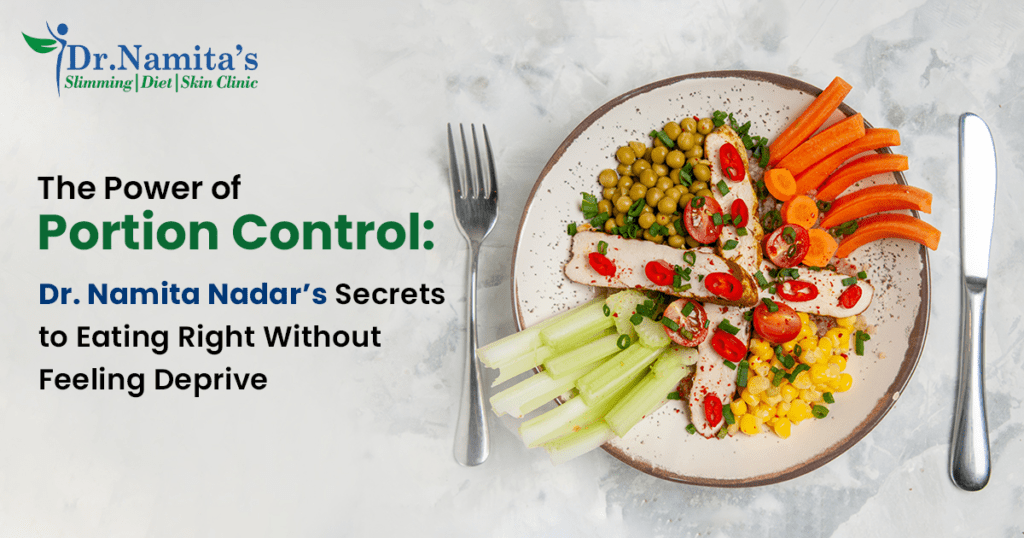
- Balanced Plate: Dr Nadar advises creating a balanced plate that includes a portion of lean proteins, whole grains, and a variety of colourful vegetables. This approach not only provides essential nutrients but also helps in managing hunger and promoting satiety.
- Mindful Eating: Another key aspect of Dr. Nadar’s approach is mindful eating. Paying attention to your hunger and fullness cues can prevent overeating. By eating slowly and savouring each bite, you can better gauge when you are satisfied.
- Portion Awareness: Nadar encourages her clients to use visual cues and measuring tools to understand portion sizes. This could include using smaller plates or bowls to help manage portion sizes without feeling deprived.
- Healthy Substitutes: When it comes to portion control, finding healthier substitutes for high-calorie foods is essential. Dr. Nadar provides alternatives that are both nutritious and satisfying, helping clients maintain their diet without feeling restricted.
- Regular Monitoring: Regular check-ins and adjustments to the diet plan are crucial. Dr. Nadar monitors her clients’ progress and makes necessary adjustments to ensure they remain on track with their weight management goals.
Enjoying Your Meals
One of the most significant benefits of Dr. Nadar’s portion control strategies is that they allow you to enjoy your meals without feeling like you’re missing out. By focusing on the quality of food and its nutritional value rather than just the quantity, you can achieve a healthy balance and avoid the psychological stress often associated with dieting.
Conclusion
Dr Namita Nadar’s approach to portion control is a game-changer for anyone looking to manage their weight effectively. As the Best Weight Management Dietician in Noida, her personalized Diet Charts for weight loss in Noida offer practical solutions that promote healthy eating habits and a balanced lifestyle. By embracing the power of portion control, you can enjoy your food while making progress towards your weight management goals.
Polycystic Ovarian Disease (PCOD) is a hormonal disorder affecting millions of women worldwide. Characterized by irregular menstrual cycles, weight gain, and sometimes infertility, PCOD can significantly impact a woman’s quality of life. One of the key contributors to the symptoms of PCOD is inflammation. Recent research suggests that incorporating anti-inflammatory foods into your diet can play a crucial role in managing PCOD symptoms. To delve deeper into this topic, we turn to insights from Dr Namita Nadar, a leading dietician from the Best Diet Clinic for PCOD in Noida.
Understanding the Link Between Inflammation and PCOD
Inflammation is the body’s natural response to injury or infection, but chronic inflammation can lead to various health issues, including PCOD. Women with PCOD often have higher levels of inflammation, which can exacerbate symptoms like insulin resistance, weight gain, and irregular periods. Therefore, reducing inflammation through diet can be a powerful strategy in managing PCOD.
The Role of Anti-Inflammatory Foods
Anti-inflammatory foods are rich in antioxidants, vitamins, minerals, and other nutrients that help reduce inflammation in the body. According to Dr Namita Nadar, incorporating these foods into your diet can not only help manage PCOD symptoms but also improve overall health. Below are some of the most effective anti-inflammatory foods recommended by Dr. Nadar.
1. Fruits and Vegetables
Fruits and vegetables are packed with antioxidants that fight inflammation. Berries, such as strawberries, blueberries, and raspberries, are particularly beneficial due to their high content of vitamin C and flavonoids. Leafy greens like spinach and kale are also rich in vitamins A, C, and K, which are known to reduce inflammation.
2. Omega-3 Fatty Acids
Foods rich in omega-3 fatty acids, such as fatty fish (salmon, mackerel, and sardines), flaxseeds, and walnuts, are known for their anti-inflammatory properties. Omega-3s help in reducing the levels of inflammatory markers in the body, which can alleviate PCOD symptoms.
3. Whole Grains
Whole grains like oats, quinoa, and brown rice are high in fibre, which can help regulate blood sugar levels and reduce inflammation. These grains also support weight management, a critical aspect of managing PCOD.
4. Nuts and Seeds
Almonds, walnuts, flaxseeds, and chia seeds are excellent sources of anti-inflammatory fats and fibres. They also provide essential nutrients like magnesium and vitamin E, which help in reducing inflammation and managing PCOD symptoms.
5. Spices
Certain spices like turmeric and ginger have powerful anti-inflammatory effects. Turmeric contains curcumin, a compound that has been extensively studied for its anti-inflammatory and antioxidant properties. Adding these spices to your meals can help in managing PCOD more effectively.
The Expertise of Dr. Namita Nadar
Dr. Namita Nadar, renowned for her work at the Best Diet Clinic for PCOD in Noida, emphasizes the importance of a balanced diet in managing PCOD. She advises that while incorporating anti-inflammatory foods is essential, it is also crucial to avoid processed foods, sugary snacks, and trans fats, which can trigger inflammation. Dr. Nadar’s holistic approach to managing PCOD involves not only dietary changes but also regular physical activity and stress management techniques.
Conclusion
The role of anti-inflammatory foods in managing PCOD cannot be overstated. By reducing inflammation, these foods help in alleviating symptoms and improving overall well-being. Under the guidance of experts like Dr Namita Nadar at the Best Diet Clinic for PCOS in Noida, women can take proactive steps to manage their condition effectively. Adopting a diet rich in anti-inflammatory foods, combined with a healthy lifestyle, can make a significant difference in the lives of those affected by PCOD.
Diabetes is a chronic condition that affects millions of people worldwide. Managing diabetes involves more than just medication; diet plays a crucial role in controlling blood sugar levels, preventing complications, and improving overall health. For those seeking expert guidance on managing diabetes through diet, Dr. Namita Nadar, the Best Dietician for Diabetes Management in Noida, offers valuable insights on how dietary choices can make a significant difference.
Understanding the Impact of Diet on Diabetes
Diabetes management revolves around maintaining stable blood sugar levels. When you consume food, especially carbohydrates, your body breaks it down into glucose, which enters the bloodstream. For people with diabetes, this process can lead to spikes in blood sugar levels if not properly managed. Therefore, understanding the role of different foods and how they affect your blood sugar is vital.
Key Components of a Diabetes-Friendly Diet
A balanced diet tailored to diabetes management includes a variety of nutrients that help regulate blood sugar levels, promote weight management, and reduce the risk of complications. Here are the key components of a diabetes-friendly diet as recommended by Dr. Namita Nadar:
1. Carbohydrate Management
Carbohydrates have the most significant impact on blood sugar levels, so managing their intake is crucial. Opt for complex carbohydrates such as whole grains, legumes, and vegetables, which are digested slowly, leading to a gradual rise in blood sugar levels. Avoid simple carbohydrates like sugary snacks, white bread, and processed foods, which cause rapid spikes in blood sugar.
2. Fiber-Rich Foods
Fibre is an essential component of a diabetes-friendly diet. It slows down the absorption of sugar and helps maintain steady blood sugar levels. Foods rich in fibre include whole grains, fruits, vegetables, beans, and legumes. Dr. Nadar emphasizes incorporating these foods into every meal to aid in blood sugar control and promote satiety.
3. Healthy Fats
Incorporating healthy fats into your diet can help improve insulin sensitivity and reduce inflammation. Sources of healthy fats include avocados, nuts, seeds, olive oil, and fatty fish like salmon. These fats not only support heart health but also help in maintaining stable blood sugar levels.
4. Protein
Protein is a crucial nutrient for managing diabetes, as it has minimal impact on blood sugar levels and helps in repairing tissues and building muscles. Lean protein sources such as chicken, turkey, fish, tofu, and legumes are excellent choices. Including protein in each meal can also help in preventing blood sugar spikes.
5. Portion Control
Portion control is vital in diabetes management. Eating large portions, even healthy foods, can lead to weight gain and blood sugar fluctuations. Dr. Namita Nadar advises her patients to be mindful of portion sizes and to practice moderation, particularly with foods that have a higher glycemic index.
Personalized Dietary Plans
Every individual with diabetes is unique, and a one-size-fits-all approach doesn’t work. Dr. Namita Nadar, known for her expertise as the Best Dietician for Diabetes Management in Noida, tailors dietary plans to meet the specific needs of each patient. She considers factors such as age, activity level, food preferences, and overall health status when designing a diet plan. This personalized approach ensures that patients can manage their condition effectively while enjoying a variety of foods.
Conclusion
Diet plays a pivotal role in diabetes management. By making informed food choices, managing portion sizes, and focusing on nutrient-rich foods, individuals with diabetes can achieve better control over their blood sugar levels and overall health. With the guidance of experts like Dr. Namita Nadar, managing diabetes through diet becomes a sustainable and effective approach. Whether you are newly diagnosed or have been managing diabetes for years, consulting with a professional dietician can provide you with the tools and knowledge to lead a healthier life.
Living with hypothyroidism can be challenging, especially when it comes to managing your weight. Hypothyroidism is a condition where the thyroid gland doesn’t produce enough hormones, slowing down the body’s metabolism and often leading to weight gain. However, with the right approach and guidance, it is possible to manage your weight effectively. In this blog, we will explore strategies to control your weight with hypothyroidism, with insights from the Best Dietitian in Noida, Dr Namita Nadar, a renowned Weight Management Dietician in Noida.
Understanding Hypothyroidism and Its Impact on Weight
Hypothyroidism affects the body’s metabolism, leading to a slower calorie-burning process. This slowdown can make it easier to gain weight, even if you have a healthy lifestyle. Additionally, symptoms like fatigue, depression, and muscle weakness may decrease your physical activity levels, further contributing to weight gain.
Steps to Control Your Weight with Hypothyroidism
1. Seek Professional Guidance
The first step in managing weight with hypothyroidism is to consult a qualified dietitian. Dr. Namita Nadar, the best dietitian in Noida, emphasizes the importance of a personalized approach to diet and lifestyle changes. A professional will help you understand your body’s unique needs and create a plan tailored to your health goals.
2. Follow a Balanced Diet
A balanced diet is crucial for managing hypothyroidism and controlling weight. Here are some dietary tips:
- Focus on Nutrient-Rich Foods: Include plenty of fruits, vegetables, whole grains, and lean proteins in your diet. These foods are rich in vitamins and minerals that support thyroid function and overall health.
- Limit Goitrogens: Foods like cabbage, broccoli, and soy contain goitrogens, which can interfere with thyroid hormone production. While they can be consumed in moderation, it’s best to limit their intake.
- Incorporate Selenium and Zinc: Nuts, seeds, and seafood are excellent sources of selenium and zinc, which are essential for thyroid health.
- Stay Hydrated: Drink plenty of water throughout the day to support metabolic processes and prevent dehydration.
3. Regular Exercise
Exercise is a powerful tool in weight management, especially for individuals with hypothyroidism. Regular physical activity helps boost metabolism, improve mood, and increase energy levels. Dr. Namita Nadar, the weight management dietician in Noida, suggests incorporating a mix of cardio, strength training, and flexibility exercises into your routine. Even moderate activities like walking, swimming, or yoga can make a significant difference in your weight management journey.
4. Monitor Portion Sizes
Controlling portion sizes is essential for managing calorie intake. Eating smaller, more frequent meals can help maintain steady energy levels and prevent overeating. Mindful eating, such as paying attention to hunger cues and savouring each bite, can also contribute to better portion control.
5. Manage Stress and Sleep
Stress and lack of sleep can exacerbate weight gain in hypothyroidism patients. Practice stress-reducing activities such as meditation, deep breathing exercises, or hobbies that bring joy. Ensure you get 7-9 hours of quality sleep each night to support metabolic health and overall well-being.
Consult with a Weight Management Dietician in Noida
Managing weight with hypothyroidism can be challenging, but with the right strategies and support from experts like Dr Namita Nadar, it is achievable. As the Best Dietitian in Noida, Dr. Nadar provides comprehensive guidance on creating a balanced diet and lifestyle plan tailored to your specific needs. Her expertise in weight management and dedication to helping individuals achieve their health goals make her an excellent resource for anyone struggling with hypothyroidism.
For personalized guidance and a diet plan designed for your needs, consider consulting a weight management dietician in Noida. Remember, with the right approach and mindset, you can successfully manage your weight and live a healthy life with hypothyroidism.
For couples trying to conceive, the journey can sometimes be challenging and stressful. While many factors affect fertility, one aspect that is often overlooked is nutrition. What you eat plays a significant role in enhancing fertility, and with the right dietary choices, you can naturally boost your chances of conception. In this article, we will explore the role of nutrition in fertility and how the Best Diet Clinic in Noida, led by Dr Namita Nadar, can provide the guidance you need for a healthier and more fertile lifestyle.
The Connection Between Nutrition and Fertility
Good nutrition is the cornerstone of reproductive health. Both men and women can benefit from a fertility-friendly diet that supports hormonal balance, egg and sperm quality, and overall reproductive function. Poor nutrition, on the other hand, can lead to hormonal imbalances, obesity, and other health issues that may negatively impact fertility.
Essential Nutrients for Boosting Fertility
When it comes to enhancing fertility naturally, certain nutrients play a pivotal role. Here are some key nutrients that can boost fertility in both men and women:
1. Folic Acid
Folic acid is crucial for women trying to conceive as it supports healthy cell division and promotes proper fetal development. It is recommended to start taking folic acid supplements at least three months before trying to conceive.
Sources: Leafy greens, citrus fruits, beans, and fortified cereals.
2. Omega-3 Fatty Acids
Omega-3 fatty acids are essential for regulating hormones and improving blood flow to the reproductive organs. They also play a role in reducing inflammation, which can enhance fertility.
Sources: Fatty fish, flaxseeds, walnuts, and chia seeds.
3. Antioxidants
Antioxidants help protect the reproductive cells from oxidative stress, which can damage egg and sperm quality. Including a variety of colourful fruits and vegetables in your diet can boost your antioxidant intake.
Sources: Berries, nuts, seeds, spinach, and bell peppers.
4. Zinc
Zinc is important for both male and female fertility. It supports sperm production in men and helps maintain healthy hormone levels in women.
Sources: Meat, shellfish, legumes, and dairy products.
5. Iron
Iron is essential for maintaining healthy ovulation in women. A diet rich in iron can help prevent ovulatory infertility.
Sources: Red meat, beans, lentils, tofu, and fortified grains.
The Role of the Best Diet Clinic in Noida
For those seeking personalized dietary advice, visiting the best diet clinic in Noida, led by Dr Namita Nadar, can be a game-changer. Dr. Nadar is a renowned dietitian with extensive experience in fertility nutrition. She provides customized diet plans tailored to individual needs, focusing on nutrient-rich foods that support reproductive health.
Lifestyle Tips for Enhancing Fertility
In addition to focusing on nutrition, consider these lifestyle changes to boost your fertility:
- Maintain a Healthy Weight: Both underweight and overweight individuals can experience fertility issues. Aim for a healthy BMI through balanced eating and regular exercise.
- Stay Hydrated: Drinking enough water supports overall health and helps maintain optimal body functions, including reproductive processes.
- Limit Alcohol and Caffeine: Excessive alcohol and caffeine consumption can negatively impact fertility. Limit your intake to improve your chances of conception.
- Manage Stress: High stress levels can interfere with fertility. Incorporate stress-reducing practices such as yoga, meditation, or hobbies that bring you joy.
Conclusion
Nutrition plays a vital role in enhancing fertility and increasing your chances of conception. By focusing on a balanced diet rich in essential nutrients, you can support reproductive health and improve fertility outcomes. Consulting with a qualified dietitian like Dr Namita Nadar at the best diet clinic in Noida can provide the personalized guidance needed to optimize your fertility journey. Embrace a healthier lifestyle today, and take the first step towards achieving your dream of parenthood naturally.
In today’s fast-paced world, maintaining optimal health and wellness can be challenging, especially for men juggling multiple responsibilities. Nutrition plays a crucial role in achieving and sustaining good health, and who better guides us than Dr Namita Nadar, a renowned Nutritionist in Noida? With her extensive knowledge and experience, Dr. Nadar provides invaluable insights into male nutrition and optimal health tips that can transform your life.
Understanding Male Nutritional Needs
Men have unique nutritional requirements that differ from women due to factors like muscle mass, hormonal balance, and metabolic rate. According to Dr. Namita Nadar, understanding these differences is key to crafting a diet that supports men’s health. Key nutrients essential for men include:
- Protein: Vital for muscle repair and growth, protein should be a staple in every man’s diet. Sources like lean meats, eggs, beans, and nuts provide high-quality protein.
- Healthy Fats: Fats are essential for hormone production and brain health. Incorporate sources like avocados, olive oil, nuts, and fatty fish to ensure adequate intake.
- Vitamins and Minerals: Micronutrients such as Vitamin D, Magnesium, and Zinc are crucial for overall health, testosterone production, and immune function. Leafy greens, nuts, seeds, and dairy products are excellent sources.
- Fibre: A diet high in fibre from whole grains, fruits, and vegetables promotes digestive health and helps maintain a healthy weight.
Balanced Diet for Optimal Health
A balanced diet forms the cornerstone of good health. Dr. Namita Nadar emphasizes the importance of incorporating a variety of foods to ensure a broad spectrum of nutrients. She suggests:
- Colourful Vegetables and Fruits: These are packed with vitamins, minerals, and antioxidants. Aim for a rainbow of colours on your plate to get the full range of benefits.
- Whole Grains: Opt for whole grains like brown rice, quinoa, and whole wheat bread instead of refined grains. They are higher in fibre and nutrients.
- Lean Proteins: Choose sources like chicken, fish, beans, and legumes. These provide essential amino acids without excess saturated fats.
- Hydration: Staying hydrated is crucial for all bodily functions. Water should be your primary beverage, supplemented by herbal teas and the occasional natural fruit juice.
Lifestyle Tips for Optimal Health
Beyond diet, Dr. Namita Nadar advocates for a holistic approach to health, which includes regular exercise, stress management, and adequate sleep.
- Regular Exercise: Aim for at least 150 minutes of moderate aerobic activity or 75 minutes of vigorous activity per week, combined with muscle-strengthening exercises. Exercise boosts cardiovascular health, muscle strength, and mental well-being.
- Stress Management: Chronic stress can negatively impact health. Techniques like meditation, deep breathing exercises, and hobbies can help manage stress levels.
- Adequate Sleep: Quality sleep is essential for physical and mental health. Aim for 7-9 hours of sleep per night to support bodily functions and overall wellness.
- Regular Check-Ups: Regular medical check-ups help in the early detection and management of potential health issues. Routine screenings and consultations with a nutritionist can keep you on the right track.
Personalized Nutrition Plans
Every individual is unique, and so are their nutritional needs. Dr. Namita Nadar, a leading Nutritionist in Noida, offers personalized nutrition plans tailored to individual health goals and lifestyles. These plans take into account factors like age, activity level, medical history, and specific health goals, ensuring a comprehensive approach to health and nutrition.
In conclusion, achieving optimal health requires a balanced diet, regular exercise, stress management, and adequate sleep. With expert guidance from Dr. Namita Nadar, you can embark on a journey towards better health and well-being. Remember, small, consistent changes in your lifestyle can lead to significant improvements in your overall health. So, take the first step today and invest in your health for a better tomorrow.
In the digital age, social media has become a powerful force shaping the lives of Gen-Z. This generation, born between the mid-1990s and early 2010s, has grown up with technology and is profoundly influenced by the online world. One of the significant areas where social media’s impact is evident is in their dietary habits. Dr Namita Nadar, a leading nutritionist and the head of the Best Diet Clinic in Noida, provides insights into how social media affects the eating patterns of Gen-Z and offers guidance on maintaining a healthy diet.
Social Media Influences on Dietary Choices
Social media platforms like Instagram, TikTok, and YouTube are teeming with influencers and content creators who share their food choices, recipes, and diet trends. For Gen-Z, these platforms are not just sources of entertainment but also key channels for information and inspiration. According to Dr. Namita Nadar, the Best Dietitian in Noida, this constant exposure to curated food content can have both positive and negative impacts on dietary habits.
- Positive Influences:
- Increased Awareness: Social media has played a crucial role in raising awareness about various dietary options, from veganism and plant-based diets to gluten-free and keto diets. Gen-Z is more knowledgeable about these options and can make informed choices about their diets.
- Healthy Eating Trends: Many influencers promote healthy eating habits, including the consumption of fruits, vegetables, whole grains, and lean proteins. This can inspire Gen-Z to incorporate more nutritious foods into their daily diets.
- Access to Recipes: Platforms like Instagram and Pinterest offer a plethora of easy-to-follow recipes. This encourages cooking at home, which is often healthier than eating out.
- Negative Influences:
- Misinformation: Not all diet trends promoted on social media are backed by scientific evidence. Fad diets and extreme weight loss programs can be harmful, leading to nutritional deficiencies and other health issues.
- Body Image Issues: Social media often portrays unrealistic body standards, which can pressure Gen-Z to adopt unhealthy eating habits or restrictive diets to achieve a certain look.
- Influence of Food Marketing: Fast food and junk food brands also leverage social media for marketing, often targeting young audiences. This can lead to increased consumption of high-calorie, low-nutrient foods.
Navigating Social Media Influences
To navigate the complexities of social media’s influence on dietary habits, Dr. Namita Nadar emphasizes the importance of critical thinking and consulting with professionals. Here are some tips she offers:
- Seek Professional Guidance: Consulting with a certified dietitian, like Dr Namita Nadar at the Best Diet Clinic in Noida, can help Gen-Z develop personalized and balanced eating plans that meet their nutritional needs and health goals.
- Verify Information: Before following any diet trend or advice seen on social media, it’s essential to verify the information from credible sources. Not all influencers are qualified to give dietary advice.
- Focus on Balanced Eating: Instead of following extreme diets, focus on balanced eating. Incorporate a variety of foods to ensure you’re getting all the necessary nutrients. This includes plenty of fruits, vegetables, whole grains, lean proteins, and healthy fats.
- Mindful Eating: Practice mindful eating by paying attention to hunger and fullness cues. Avoid eating in front of screens to better enjoy and recognize the food you consume.
The Role of the Best Dietitian in Noida
Dr. Namita Nadar, renowned as the Best Dietitian in Noida, underscores the need for tailored nutrition plans that align with individual health requirements and lifestyles. Her expertise helps counteract the potential negative impacts of social media on dietary habits by providing reliable, science-based nutritional advice.
In conclusion, while social media significantly influences Gen-Z’s dietary habits, it’s crucial to approach it with a discerning eye. By seeking guidance from trusted professionals like Dr. Namita Nadar and focusing on balanced, informed eating, Gen-Z can harness the positive aspects of social media while mitigating its downsides. Taking control of dietary choices with a well-rounded perspective ensures long-term health and well-being.
As the scorching summer sun beats down relentlessly, ensuring proper hydration becomes more crucial than ever. According to Dr. Namita Nadar, renowned as one of the Best Dietitian in Noida, staying hydrated isn’t just about drinking water; it’s about replenishing electrolytes effectively. One of her top recommendations for maintaining hydration levels during summer is Oral Rehydration Solution (ORS).
ORS is a balanced solution of electrolytes and water that helps prevent dehydration caused by excessive sweating and heat exposure. Dr. Namita Nadar emphasizes its importance, especially for those who spend prolonged periods outdoors or engage in physical activities. She notes that ORS not only restores lost fluids but also maintains the body’s electrolyte balance, crucial for proper muscle and nerve function.
“When temperatures rise, our bodies lose electrolytes like sodium and potassium through sweat,” explains Dr. Namita Nadar. “Simply drinking water may not suffice, as it doesn’t replace these essential minerals in adequate amounts. ORS, on the other hand, provides a scientifically balanced formula that aids in quicker rehydration and prevents fatigue and muscle cramps.”
As the best dietitian in Noida, Dr Namita Nadar advises integrating ORS into your daily routine during summer, especially if you are prone to sweating excessively. “It’s not just athletes who benefit from ORS,” she clarifies. “Anyone exposed to high temperatures can benefit from its rapid rehydration properties.”
Apart from ORS, Dr. Namita Nadar stresses the importance of a well-balanced diet rich in fruits and vegetables with high water content. “Watermelon, cucumbers, and oranges are excellent choices to complement ORS intake,” she suggests. “These foods not only hydrate but also provide essential vitamins and antioxidants that support overall health.”
In her practice as the best dietitian in Noida, Dr. Namita Nadar emphasizes personalized nutrition plans tailored to individual needs. “Each person’s hydration requirements differ based on factors like age, activity level, and overall health,” she advises. “Consulting with a dietitian can help you understand your specific needs and optimize your hydration strategy.”
For those seeking to stay healthy and active this summer, Dr. Namita Nadar’s advice on ORS and hydration is invaluable. Whether you’re enjoying outdoor sports, working under the sun, or simply lounging by the pool, ensuring adequate hydration with ORS can make a significant difference in how you feel and perform.
In conclusion, as temperatures soar, remember to prioritize hydration with ORS under the expert guidance of Dr. Namita Nadar, the best dietitian in Noida. By incorporating ORS into your daily routine alongside a balanced diet, you can beat the heat and stay energized throughout the summer months.
For personalized advice and consultation with Dr Namita Nadar, visit one of the Best Diet Clinic in Noida or reach out through her official instagram handle – https://www.instagram.com/dr.namitanadar_dietician/.
Stay hydrated, stay healthy!
Maintaining optimal kidney health is crucial for overall well-being. The kidneys play a vital role in filtering waste and excess fluids from the blood, regulating blood pressure, and balancing electrolytes. To support kidney function, incorporating specific superfoods into your diet can make a significant difference. Under the expert guidance of Dr. Namita Nadar, the Best Diet Coach in Noida, you can discover how to nourish your kidneys effectively. Here, we explore five superfoods that can boost kidney health and help you lead a healthier life.
1. Blueberries
Blueberries are not only delicious but also packed with antioxidants, particularly anthocyanins, which protect against oxidative stress and inflammation. These berries are low in sodium, potassium, and phosphorus, making them kidney-friendly. Consuming blueberries regularly can support kidney function by reducing the risk of chronic kidney disease (CKD) and improving overall renal health.
How to Incorporate: Add fresh or frozen blueberries to your morning cereal, yoghurt, or smoothies. They also make a great snack on their own.
2. Red Bell Peppers
Red bell peppers are an excellent source of vitamins C, A, and B6, along with folic acid and fibre. They are low in potassium, making them ideal for kidney health. The antioxidants in red bell peppers help combat inflammation and protect the kidneys from damage.
How to Incorporate: Use red bell peppers in salads, stir-fries, or as a crunchy snack with hummus. They can also be stuffed with a mixture of grains and vegetables for a nutritious meal.
3. Cauliflower
Cauliflower is a versatile vegetable rich in vitamin C, folate, and fibre. It contains compounds that help neutralize toxins, reducing the workload on the kidneys. As a low-potassium food, cauliflower is particularly beneficial for those with kidney concerns.
How to Incorporate: Enjoy cauliflower steamed, roasted, or mashed as a low-carb substitute for potatoes. It can also be blended into soups or added to salads for extra crunch.
4. Garlic
Garlic is renowned for its anti-inflammatory and antioxidant properties. It helps reduce hypertension, which is a common issue for people with kidney problems. Garlic’s ability to enhance the flavour of food without adding sodium makes it a kidney-friendly seasoning.
How to Incorporate: Add fresh or powdered garlic to your dishes, such as soups, sauces, and marinades. Roasted garlic can also be spread on whole-grain bread as a healthy alternative to butter.
5. Apples
Apples are high in fibre and contain anti-inflammatory compounds that benefit kidney health. They are low in potassium and phosphorus, making them safe for kidney patients. Apples also help reduce cholesterol and control blood sugar levels, contributing to overall health.
How to Incorporate: Eat apples raw as a snack, or add them to salads and baked dishes. Applesauce can be a healthy dessert or an ingredient in baking recipes.
Expert Guidance from Dr. Namita Nadar
Navigating the world of nutrition, especially when focusing on specific health concerns like kidney health, can be challenging. Dr. Namita Nadar, a renowned Weight Management Dietician in Noida, offers personalized diet plans tailored to your unique needs. With her extensive knowledge and experience, Dr. Nadar provides practical and sustainable dietary advice to help you achieve optimal health.
Conclusion
Incorporating these five superfoods into your diet can significantly boost your kidney health. Blueberries, red bell peppers, cauliflower, garlic, and apples are not only delicious but also packed with nutrients that support renal function. For personalized dietary guidance, consulting with Dr. Namita Nadar, the Best Diet Coach in Noida, can help you create a comprehensive and effective diet plan. By making informed food choices, you can enhance your kidney health and enjoy a better quality of life.
Taking control of your diet is one of the most impactful ways to ensure long-term health, particularly heart health. One critical component of this is maintaining a low-sodium diet. This dietary approach is championed by leading nutritionists and dietitians, such as Dr Namita Nadar, who is renowned for providing personalized diet plans at the Best Diet Clinic in Noida.
The Role of Sodium in Our Diet
Sodium, commonly found in table salt, is an essential mineral for bodily functions. It helps maintain fluid balance, supports nerve transmission, and facilitates muscle function. Despite its necessity, excessive sodium intake is detrimental to health, particularly heart health. The modern diet, heavily reliant on processed and fast foods, often leads to an overconsumption of sodium, significantly above the recommended daily limit of 2,300 milligrams set by health authorities.
The Impact of High Sodium Intake on Heart Health
High sodium intake is closely linked to several adverse health conditions, predominantly affecting the heart. One of the primary consequences is hypertension or high blood pressure. Sodium causes the body to retain water, which increases blood volume and, consequently, blood pressure. Persistently high blood pressure forces the heart to work harder, leading to the thickening of the heart muscle and eventually causing heart disease or heart failure.
Moreover, high sodium levels can contribute to the development of other cardiovascular issues such as stroke and coronary artery disease. These conditions not only impair quality of life but can also be fatal. Reducing sodium intake is a proactive measure to mitigate these risks and promote heart health.
Adopting a Low Sodium Diet
Transitioning to a low-sodium diet may seem challenging, but it is achievable with the right guidance and resources. Consulting with experts like Dr. Namita Nadar at the Best Diet Clinic in Noida can provide invaluable support. Dr. Nadar specializes in creating the Best Diet Chart for Weight Management in Noida, which includes strategies for maintaining a low sodium intake without compromising on taste or nutritional value.
Practical Tips for Reducing Sodium Intake
- Read Labels: Understanding nutrition labels is crucial. Look for products labeled “low sodium” or “no added salt.” Be mindful of hidden sodium in processed and packaged foods.
- Cook at Home: Preparing meals at home allows you to control the amount of salt used. Experiment with herbs and spices to enhance flavor without adding sodium.
- Choose Fresh Foods: Fresh fruits, vegetables, and lean proteins naturally contain less sodium compared to processed counterparts.
- Limit Processed Foods: Processed and restaurant foods are major sources of excess sodium. Limiting their consumption can significantly reduce sodium intake.
- Stay Hydrated: Drinking plenty of water helps flush out excess sodium from the body.
Conclusion
Maintaining a low-sodium diet is a cornerstone of heart health. By reducing sodium intake, you can lower the risk of hypertension, heart disease, and other cardiovascular conditions. With expert guidance from professionals like Dr Namita Nadar at the Best Diet Clinic in Noida, achieving and sustaining a heart-healthy, low-sodium diet becomes a manageable and rewarding goal. Prioritize your heart health today by embracing a low-sodium lifestyle and enjoy the long-term benefits of a healthier heart and a better quality of life.
Are you tired of feeling sluggish and low on energy? Do you struggle to maintain a balanced diet amidst the hustle and bustle of daily life? Look no further! Cultivating a higher quality of life begins with nourishing your body with the right nutrients, and one crucial element often overlooked is iron. In this blog, we will explore the significance of incorporating iron-rich foods into your diet and how it can transform your overall well-being.
Living in Noida, you’re fortunate to have access to some of the best dietary guidance available, particularly at the Best Diet Clinic in Noida, led by none other than the esteemed nutritionist, Dr. Namita Nadar. With her expertise and guidance, you can embark on a journey towards better health and vitality.
Why Iron Matters: Iron plays a vital role in various bodily functions, including oxygen transport, energy production, and immune system support. Without an adequate intake of iron, you may experience fatigue, weakness, and difficulty concentrating. For individuals leading busy lives in Noida, ensuring optimal iron levels is essential to maintain energy levels and overall well-being.
Iron-Rich Dietary Plan:
- Lean Meats: Incorporate sources of heme iron, such as lean meats like chicken, turkey, and beef, into your meals. These animal-based sources of iron are highly bioavailable, meaning your body can easily absorb and utilize them.
- Leafy Greens: Boost your iron intake with leafy greens like spinach, kale, and collard greens. These plant-based sources of iron are also rich in other essential nutrients like vitamins A, C, and K, further enhancing their nutritional value.
- Legumes and Beans: Beans, lentils, and chickpeas are excellent sources of non-heme iron, the type of iron found in plant-based foods. Pairing these legumes with vitamin C-rich foods like citrus fruits or bell peppers can enhance iron absorption.
- Fortified Foods: Look for fortified foods such as fortified cereals, bread, and plant-based milk alternatives. These products are enriched with iron and other nutrients, making them convenient options to boost your iron intake.
- Cooking in Cast Iron: Cooking with cast iron cookware can increase the iron content of your meals, especially when preparing acidic foods like tomato-based dishes. This simple switch in cookware can have a positive impact on your iron levels over time.
The Role of a Trusted Dietitian: At the Best Diet Clinic in Noida, under the guidance of Dr. Namita Nadar, you can receive personalized dietary recommendations tailored to your unique needs and lifestyle. Dr. Nadar’s expertise in nutrition ensures that you receive evidence-based guidance to achieve your health goals effectively.
In Conclusion: By incorporating an iron-rich dietary plan into your lifestyle, you can cultivate a higher quality of life filled with vitality and energy. With the support of the Best Dietitian in Noida, Dr. Namita Nadar, achieving optimal health has never been more accessible. Take the first step towards a healthier future today by prioritizing your iron intake and nourishing your body from within.
Remember, small changes in your diet can significantly improve your overall well-being. Embrace the journey towards better health and start reaping the rewards of a balanced and iron-rich diet today!
Fertility is a delicate balance influenced by various factors, including lifestyle, genetics, and nutrition. For women aspiring to conceive, adopting a nourishing diet can play a pivotal role in optimizing fertility. In this blog, we delve into how dietary choices can positively impact female fertility and provide insights into the best diet chart for weight management, with guidance from the renowned nutritionist, Dr. Namita Nadar, serving in Noida.
Understanding Female Fertility: Female fertility encompasses a complex interplay of hormonal balance, reproductive health, and overall well-being. While medical interventions and fertility treatments exist, adopting a holistic approach that includes nutrition can enhance fertility outcomes and support reproductive health.
The Role of Nutrition in Fertility: Nutrition plays a crucial role in fertility by influencing hormone production, egg quality, and menstrual regularity. A well-balanced diet rich in essential nutrients can help regulate ovulation, improve reproductive function, and create an optimal environment for conception.
Key Nutrients for Fertility:
- Folate: Adequate folate intake is essential for preventing neural tube defects in early pregnancy. Sources of folate include leafy greens, citrus fruits, legumes, and fortified grains.
- Omega-3 Fatty Acids: Omega-3 fatty acids support reproductive health by reducing inflammation and promoting hormone balance. Incorporate sources like fatty fish, flaxseeds, chia seeds, and walnuts into your diet.
- Antioxidants: Antioxidants such as vitamins C and E, selenium, and zinc protect reproductive cells from oxidative stress and may improve egg quality. Colorful fruits and vegetables, nuts, seeds, and whole grains are rich sources of antioxidants.
- Iron: Iron deficiency can disrupt menstrual cycles and impair fertility. Include iron-rich foods like lean meats, poultry, fish, beans, lentils, and spinach to support blood health and energy levels.
- Protein: Adequate protein intake is crucial for hormone synthesis and reproductive function. Opt for lean sources of protein such as poultry, fish, eggs, dairy, tofu, and legumes.
Best Diet Chart for Weight Management in Noida: Achieving and maintaining a healthy weight is integral to optimizing fertility outcomes. Dr. Namita Nadar, a leading nutrition expert based in Noida, offers personalized diet charts tailored to individual needs and goals.
- Balanced Macronutrient Intake: Dr Nadar emphasizes a balanced diet comprising lean protein, complex carbohydrates, healthy fats, and plenty of fruits and vegetables to support weight management and fertility.
- Portion Control: Monitoring portion sizes helps prevent overeating and promotes weight loss and maintenance. Dr Nadar recommends mindful eating and paying attention to hunger and satiety cues.
- Regular Physical Activity: Incorporating regular exercise into your routine complements dietary efforts and supports weight management. Dr. Nadar provides exercise recommendations tailored to individual fitness levels and preferences.
- Hydration: Staying hydrated is essential for overall health and metabolism. Aim to drink plenty of water throughout the day and limit sugary beverages.
- Consistent Support and Guidance: Dr. Namita Nadar and her team at the Best Diet Chart for Weight Management in Noida offer ongoing support, education, and accountability to help individuals achieve their weight management and fertility goals.
In Conclusion: By prioritizing nutrition and adopting a balanced diet tailored to support fertility and weight management, women can enhance their chances of conception and promote overall well-being. With the expertise and guidance of Dr Namita Nadar, individuals in Noida have access to personalized dietary recommendations to optimize fertility outcomes and embark on a journey toward parenthood with confidence and vitality.
With the rise in awareness about the importance of weight management, individuals are seeking reliable guidance to achieve their wellness goals. Enter Dr. Namita Nadar, a renowned expert in the field whose holistic approach to weight management has garnered widespread acclaim.
So, what exactly is a weight management program, and how can it benefit you? Please delve into the intricacies under the expert guidance of Dr. Namita Nadar.
Understanding Weight Management:
Weight management is not merely about shedding pounds; it’s about fostering a balanced lifestyle that promotes overall well-being. Dr. Namita Nadar emphasizes a personalized approach, acknowledging that each individual’s body is unique and requires tailored strategies for optimal results.
Role of Nutrition:
Central to any effective weight management program is a well-crafted diet plan. With her nutritional expertise, Dr. Namita Nadar offers the Best Diet Chart for Weight Management in Noida. She emphasizes the importance of incorporating nutrient-rich foods while curbing unhealthy cravings. Her approach focuses on striking a balance, ensuring that clients enjoy meals that are delicious and conducive to their weight loss journey.
Physical Activity:
Alongside dietary modifications, regular exercise is pivotal in achieving sustainable weight management. Dr. Namita Nadar advocates for a fitness regimen tailored to individual needs, considering age, fitness levels, and any underlying health conditions. Whether cardio, strength training, or yoga, she guides clients toward activities that align with their goals and preferences.
Behavioral Changes:
Successful weight management goes beyond diet and exercise; it involves cultivating healthy habits and mindset shifts. Dr. Namita Nadar emphasizes addressing emotional eating patterns, stress management, and self-care practices. She helps her clients navigate obstacles and stay committed to their goals by empowering them with practical tools and strategies.
Professional Guidance:
On the journey towards weight management, having the support of a knowledgeable and empathetic expert can make all the difference. Dr. Namita Nadar’s guidance extends beyond just prescribing diet and exercise plans; she serves as a mentor and motivator, cheering her clients every step of the way.
The Impact:
The testimonials speak volumes about the transformative impact of Dr. Namita Nadar‘s weight management program. Clients not only achieve their desired weight loss but also experience enhanced energy levels, improved confidence, and a renewed zest for life. The best diet chart for weight management in Noida is not merely a set of instructions; it’s a roadmap to a healthier, happier existence.
In conclusion, embarking on a weight management journey is a significant commitment, but with the right guidance, it can be immensely rewarding. Dr Namita Nadar’s holistic approach encompasses nutrition, exercise, and behavioral changes, paving the way for long-term success. If you’re in Noida and ready to take charge of your health, look no further than Dr Namita Nadar’s expert guidance.
Your transformation awaits!
While medical intervention plays a crucial role in diabetes management, adopting a healthy diet can be a powerful tool in controlling blood sugar levels and mitigating complications. Join us as we explore the realm of diabetes nutrition and uncover the best foods to empower your health naturally.
Understanding Diabetes:
Diabetes is a chronic condition characterized by elevated blood sugar levels, resulting from either insufficient insulin production or the body’s inability to effectively utilize insulin. Proper management is essential to prevent complications such as heart disease, nerve damage, and kidney problems.
Role of Nutrition:
When it comes to managing diabetes, the importance of nutrition cannot be overstated. A well-balanced diet can help regulate blood sugar levels, improve insulin sensitivity, and promote overall health. By making informed food choices, individuals can take control of their diabetes and enhance their quality of life.
Key Principles of Diabetes Nutrition:
Dr. Namita Nadar, recognized as one of the best dieticians in Noida, emphasizes a holistic approach to diabetes nutrition. Her expertise as the Best Diabetes Nutritionist in Noida extends beyond mere dietary recommendations; she empowers individuals with the knowledge and tools to make sustainable lifestyle changes.
Best Foods for Diabetes Management:
• Non-Starchy Vegetables: Load up your plate with leafy greens, broccoli, cauliflower, and bell peppers. These low-calorie, high-fiber foods help stabilize blood sugar levels and promote satiety.
• Whole Grains: Opt for whole grains such as quinoa, brown rice, and oats over refined grains. Rich in fibre and nutrients, whole grains have a lower glycemic index, resulting in slower blood sugar spikes.
• Lean Protein Sources: Incorporate lean proteins like poultry, fish, tofu, and legumes into your meals. Protein helps regulate blood sugar levels and promotes feelings of fullness, preventing overeating.
• Healthy Fats: Include sources of healthy fats such as avocados, nuts, seeds, and olive oil in your diet. These fats aid in insulin sensitivity and contribute to heart health.
• Fruits: While fruits contain natural sugars, they can still be enjoyed in moderation. Opt for fresh, whole fruits like berries, apples, and citrus fruits, which have a lower glycemic load.
Strategies for Success:
In addition to incorporating diabetes-friendly foods into your diet, Dr. Namita Nadar recommends the following strategies for effective diabetes management:
•Portion Control: Be mindful of portion sizes to avoid overeating and maintain stable blood sugar levels.
•Regular Monitoring: Keep track of your blood sugar levels and make adjustments to your diet as needed.
•Stay Hydrated: Drink plenty of water throughout the day to support proper hydration and metabolic function.
•Be Active: Engage in regular physical activity to improve insulin sensitivity and overall health.
Managing diabetes naturally is within reach with the right knowledge and guidance. By embracing a diet rich in nutrient-dense foods and adopting healthy lifestyle habits, individuals can empower themselves to take control of their health and thrive despite diabetes. Remember, small changes can yield significant results on the journey to wellness.
Empower your health today with the transformative power of nutrition.