
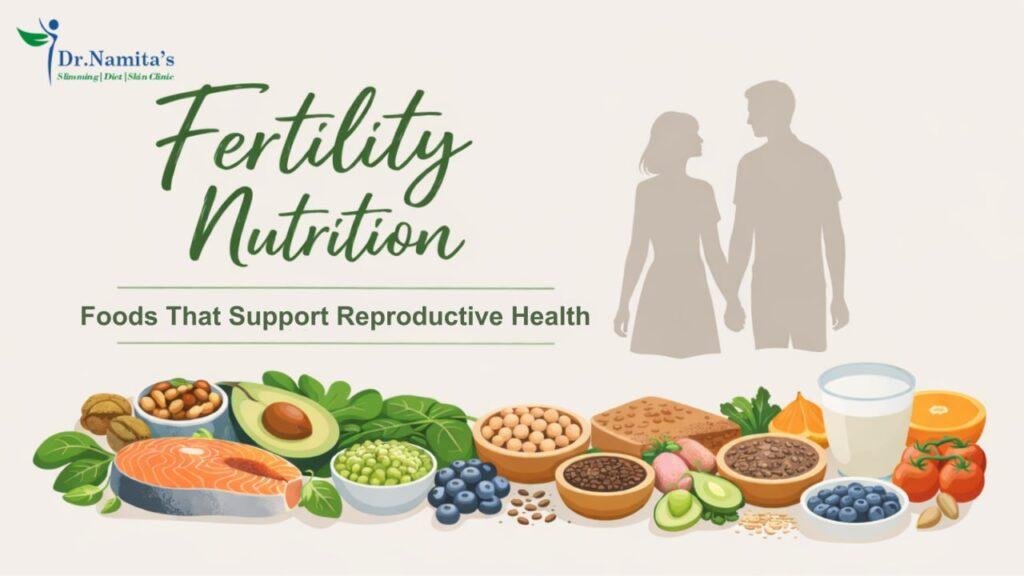
When couples start planning a pregnancy, most of the focus goes toward medical tests, ovulation tracking or treatments. Nutrition often comes later, even though it plays a powerful role in reproductive health for both women and men. What you eat directly affects hormones, egg and sperm quality, cycle regularity and overall energy levels. This is why fertility-focused nutrition, guided by experts like Dr Namita Nadar, widely recognised as a Top Diet Coach in Noida, is becoming an essential part of fertility care.
Why Nutrition Matters in Fertility
Fertility is closely linked to hormonal balance, inflammation levels, insulin sensitivity and nutrient stores in the body. Poor diet choices, crash dieting or long-term nutrient deficiencies can silently interfere with ovulation, implantation and sperm health.
Many patients feel frustrated because medical reports look “normal,” yet conception doesn’t happen. In such cases, nutrition often becomes the missing link. As explained by Dr Namita Nadar, fertility nutrition is not about eating more or less, but about eating right for your body’s needs.
Key Nutrients That Support Reproductive Health
Certain nutrients play a direct role in fertility and should be present consistently in the diet.
Protein – Protein supports hormone production and egg and sperm development. Good sources include eggs, lentils, paneer, tofu, fish and nuts.
Healthy Fats – Omega-3 fats help reduce inflammation and improve blood flow to reproductive organs. Walnuts, flax seeds, chia seeds, fatty fish and olive oil are excellent options.
Iron – Low iron levels can affect ovulation and energy levels. Green leafy vegetables, legumes, dates and seeds help maintain healthy iron stores.
Folate – Folate supports cell division and reduces the risk of early pregnancy complications. It is found in spinach, broccoli, lentils, oranges and avocados.
Zinc and Selenium – These minerals are important for sperm quality, ovulation and hormone balance. Nuts, seeds, whole grains and dairy products are good sources.
Foods That Naturally Support Fertility
Instead of focusing on supplements alone, a fertility-friendly diet prioritises whole foods.
- Fresh vegetables and fruits for antioxidants
- Whole grains instead of refined flour
- Pulses and legumes for plant protein
- Dairy or alternatives for calcium
- Nuts and seeds for minerals and healthy fats
According to Dr Namita Nadar, consistency matters more than perfection. Small daily improvements in food quality can create big changes in reproductive health over time.
Foods That May Harm Fertility if Overconsumed
Some foods may negatively impact fertility when eaten frequently.
- Excess sugar and sweetened drinks
- Highly processed and packaged foods
- Trans fats and deep-fried items
- Excess caffeine
- Alcohol and smoking
These increase inflammation and disrupt hormonal balance, making conception harder.
Fertility Nutrition for Men Matters Too
Fertility is not only a woman’s concern. Sperm quality depends on diet, stress levels and lifestyle choices. Antioxidant-rich foods, adequate protein, healthy fats and hydration improve sperm count, motility and morphology.
Many male patients who work with Dr Namita Nadar notice improvements in energy, digestion and fertility parameters once nutrition becomes a priority.
Why Personalised Nutrition Is Important
Every individual’s body responds differently based on age, medical history, PCOS, thyroid health, stress and lifestyle. Generic diets may miss these nuances.
A personalised fertility nutrition plan helps:
- Balance hormones naturally
- Improve cycle regularity
- Support egg and sperm quality
- Prepare the body for pregnancy
- Reduce stress around food
Patients often feel more confident and in control once their nutrition is aligned with their fertility goals.
Conclusion
Fertility nutrition is not a quick fix, but it is a powerful foundation. The right foods can support your body, improve reproductive health and complement medical care effectively. With expert guidance from professionals like Dr Namita Nadar, fertility nutrition becomes practical, realistic and deeply supportive of your journey.
When food works with your body instead of against it, fertility care becomes gentler, stronger and more hopeful.