Dr Namita Nadar Diet Clinic Noida

Our Blogs

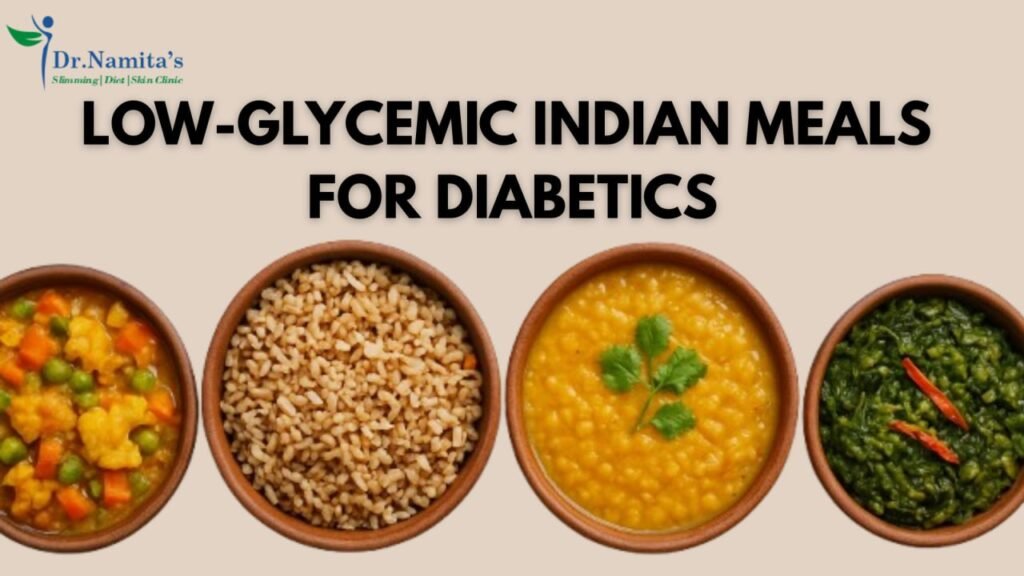
Living with diabetes doesn’t mean giving up Indian food. In fact, traditional Indian meals can be highly supportive of blood sugar control when planned the right way. The real challenge for most people is understanding which foods raise sugar levels quickly and which ones keep them stable. With proper guidance from experts like Dr Namita Nadar, considered the  Best Dietician for Diabetes Management in Noida, many patients learn that managing diabetes is more about smart choices than strict restrictions.

What Does Low-Glycemic Really Mean?

The glycemic index, often called GI, measures how fast a food raises blood sugar levels. High-glycemic foods cause quick sugar spikes, followed by sudden drops that increase hunger and fatigue. Low-glycemic foods digest slowly, releasing glucose gradually into the bloodstream. This steady release helps maintain energy levels and supports long-term sugar control.

For diabetics, choosing low-glycemic meals reduces insulin stress, prevents sudden cravings and lowers the risk of complications. Indian diets already include many low-GI foods, but portion size, cooking methods and combinations make all the difference.

Why Indian Meals Can Work Well for Diabetes

Indian cuisine is rich in whole grains, lentils, vegetables and spices that naturally support glucose balance. The problem begins when refined flours, excess rice, sugar and fried foods take over the plate.

According to Dr Namita Nadar, small changes like switching grains, adding fibre and balancing meals with protein can dramatically improve sugar readings without making food boring or difficult to follow.

Best Low-Glycemic Indian Foods for Diabetics

1. Whole Grains and Millets

Brown rice, barley, oats, jowar, bajra and ragi digest more slowly than white rice and refined flour. They keep you full longer and prevent post-meal sugar spikes.

2. Lentils and Legumes

Moong dal, masoor dal, chana, rajma and lobia are excellent protein and fibre sources. They stabilise blood sugar and improve insulin sensitivity.

3. Vegetables

Non-starchy vegetables like spinach, bottle gourd, cauliflower, beans, carrot, cabbage and bitter gourd are naturally low-GI and nutrient-dense.

4. Healthy Fats

Mustard oil, olive oil, nuts, seeds and small amounts of ghee help slow digestion and reduce glucose spikes when used in moderation.

5. Spices with Benefits

Turmeric, cinnamon, fenugreek and cumin are known to support better blood sugar regulation when included regularly.

Low-Glycemic Indian Meal Ideas

Breakfast Options
 Vegetable oats, moong dal cheela, ragi dosa with coconut chutney, vegetable poha made with millets, or eggs with sautéed vegetables.

Lunch Choices
 Brown rice or millet roti with dal, vegetable sabzi and salad. Add curd in moderation if tolerated.

Evening Snacks
 Roasted chana, sprouts chaat, nuts or buttermilk instead of biscuits or fried snacks.

Dinner Ideas
 Light meals such as vegetable soups, khichdi with millets and dal, stir-fried vegetables with paneer or tofu.

Dessert Alternatives
 Fresh fruit in controlled portions or homemade sugar-free options using natural ingredients.

Common Mistakes Diabetics Should Avoid

Many people assume that avoiding sugar alone is enough. In reality, excess white rice, potatoes, refined flour and large portions can raise blood glucose just as much. Skipping meals is another common mistake that leads to sugar fluctuations.

Experts like Dr Namita Nadar, Best Dietician for Diabetes Management in Noida, often stress the importance of regular meal timing, balanced portions and mindful cooking methods such as steaming, grilling or sautéing instead of deep frying.

Why Personalised Meal Planning Matters

No two diabetic patients respond the same way to food. Age, medication, activity level and digestion all affect blood sugar patterns. That’s why personalised nutrition plans work better than generic diets.

Patients who consult experienced professionals often notice improved sugar readings, better energy levels and easier weight control. With guidance, Indian meals can remain comforting, enjoyable and effective for diabetes management.

Final Thoughts

Managing diabetes doesn’t mean giving up your favourite Indian foods. It means choosing low-glycemic ingredients, balancing meals and understanding your body’s needs. With the right approach and expert support from specialists like Dr Namita Nadar, diabetics can enjoy satisfying meals while maintaining healthy blood sugar levels. A well-planned Indian diet can truly become your strongest tool for long-term diabetes control.

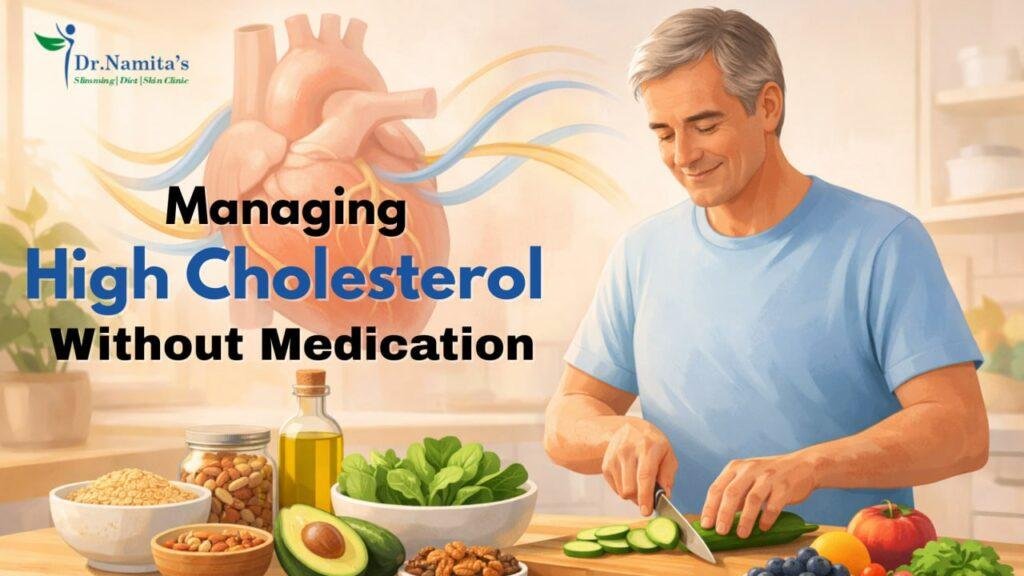
High cholesterol has become one of the most common lifestyle-related concerns in today’s fast-paced world. Many people feel anxious the moment they see their cholesterol report, imagining lifelong medication and strict restrictions. But the encouraging truth is that in many cases, cholesterol can be managed, and even reversed, with consistent lifestyle changes. This is where the right guidance, especially from specialists like Dr Namita Nadar, widely known as the Best Weight Management Dietician in Noida, becomes incredibly valuable for patients looking for natural and safe solutions.

Understanding Cholesterol: What’s Actually Happening in the Body?

Cholesterol isn’t always the villain we think it is. Your body needs it to produce hormones, absorb nutrients and build cells. The problem begins when LDL (bad cholesterol) increases and HDL (good cholesterol) drops. Poor diet, stress, sedentary routines, obesity, genetics and hormonal imbalances can all contribute.

When LDL stays high, it slowly narrows the arteries, increasing the risk of heart disease. But this process doesn’t happen overnight. That’s why early dietary and lifestyle changes can make an enormous difference.

Emerging Evidence: Lifestyle Can Reduce Cholesterol Naturally

Research now shows that many people can reduce cholesterol levels without medication when they commit to:

  • High-fibre meals
  • Regular physical activity
  • Weight management
  • Stress reduction
  • Healthy fats instead of saturated fats
  • Avoiding refined sugars and processed snacks

Professionals such as Dr Namita Nadar, recognised as the Best Weight Management Dietitian in Noida, use these evidence-based approaches to help patients rebuild their health safely and sustainably.

Foods That Help Lower Cholesterol Naturally

1. Soluble Fibre-Rich Foods

Oats, barley, dal, beans, apples and chia seeds bind with cholesterol in the digestive tract and help remove it from the body.

2. Healthy Fats

Olive oil, walnuts, almonds, flax seeds, avocados and fatty fish reduce inflammation and support better heart function.

3. Plant Sterols

Found in nuts, seeds and whole grains, plant sterols block cholesterol absorption.

4. Vegetables & Fruits

They are rich in antioxidants that protect blood vessels and improve lipid levels.

5. Lean Proteins

Eggs, tofu, paneer, lentils and sprouts keep you full without increasing bad fats.

Foods You Should Reduce or Avoid

Certain foods directly raise LDL and slow your progress. Minimising them helps your cholesterol drop much faster:

  • Deep-fried items
  • Red meat and high-fat poultry
  • Butter, cheese and heavy cream
  • Packaged snacks
  • Refined flour products
  • Sugary desserts and beverages

Replacing these with whole, fresh and fibre-rich options is a small but powerful shift.


Daily Habits That Support Cholesterol Management

  1. Move Every Day
    Even 30 minutes of walking improves HDL and reduces LDL. Strength training twice a week supports long-term results.
  2. Maintain a Healthy Weight
    Even a 5–10% reduction in body weight can significantly improve cholesterol levels.
  3. Sleep Well
    Good sleep regulates hormones and reduces cravings for unhealthy foods.
  4. Reduce Stress
    Chronic stress increases inflammation and worsens lipid profiles. Simple practices like breathing exercises or yoga help more than people realise.

Sample Daily Routine for Lowering Cholesterol

  • Morning: Warm water, nuts or seeds
  • Breakfast: Oats with fruit or dal cheela
  • Mid-Morning: Fruit or buttermilk
  • Lunch: Millets or brown rice, dal, vegetables and salad
  • Evening: Green tea, sprouts or roasted chana
  • Dinner: Light soup, stir-fried veggies, tofu/paneer
  • Before Bed: Herbal tea

This structure can be adjusted based on medical conditions, age, weight, and lifestyle.

Why Personalised Nutrition Makes a Real Difference

While generic diet plans on the internet can help, they don’t consider individual metabolism, thyroid issues, stress levels or emotional eating patterns. That’s why personalised nutrition has become one of the most effective ways to manage cholesterol naturally.

Many patients working with Dr Namita Nadar, celebrated as the Best Weight Management Dietician in Noida, share that once their diet was customised to their body’s needs, their cholesterol levels dropped steadily, their energy improved, and they felt more confident about their health. The right guidance ensures progress without feeling deprived or overwhelmed.

Conclusion

High cholesterol doesn’t always require medication. With consistent lifestyle changes, mindful eating and professional guidance, you can take control of your health naturally. If you’re ready to start a structured, personalised and sustainable journey toward better cholesterol levels, expert support from Dr Namita Nadar can make the process smoother, clearer and far more effective.

Polycystic Ovarian Disease (PCOD) is one of the most common hormonal disorders affecting women today. It can cause irregular periods, weight gain, acne, and even fertility challenges. But what makes PCOD even more confusing are the endless myths surrounding it. From believing that it’s untreatable to assuming diet has no role, misinformation often leads to unnecessary stress.

According to Dr Namita Nadar, a renowned Diet Coach for PCOD in Noida, understanding the truth behind these myths is the first step toward effectively managing the condition. Let’s uncover some of the most common PCOD myths and learn what’s actually true.

Myth 1: PCOD Means You Can’t Get Pregnant

This is one of the most widespread misconceptions. While PCOD can affect ovulation and make conception a bit challenging, it does not mean infertility. Many women with PCOD conceive naturally or with minimal medical help once their lifestyle and hormones are balanced.
Dr Namita Nadar explains that managing weight, following a balanced diet, and reducing stress can significantly improve fertility. With proper guidance and patience, a healthy pregnancy is absolutely possible.

Myth 2: You Must Avoid Carbohydrates Completely

Many women believe that carbs are the enemy when dealing with PCOD. However, cutting out carbohydrates entirely can do more harm than good. Carbs are essential for energy, especially complex ones like whole grains, fruits, and vegetables.
What matters is the quality of carbs. Refined carbs and sugar-rich foods should be limited, but fibre-rich carbs can help regulate blood sugar and hormone levels. As per Dr Namita Nadar, Diet Coach for PCOD in Noida, a balanced diet with moderate carbs and enough protein supports hormonal balance and helps maintain a healthy weight.

Myth 3: Only Overweight Women Have PCOD

Another common myth is that only women who are overweight or obese develop PCOD. The truth is that PCOD can affect women of any body type. While excess weight may worsen symptoms, even lean women can have PCOD due to hormonal imbalances or genetic factors.
That’s why personalised nutrition is essential. Every woman’s body responds differently, and a tailored plan, not a one-size-fits-all diet, works best.


Myth 4: PCOD Can Be Cured Permanently

There is no “magic cure” for PCOD. It’s a condition that can be managed, not permanently eliminated. The goal is to control symptoms and restore hormonal balance through lifestyle changes, nutrition, and sometimes medication.
With the right diet and consistent efforts, you can keep your symptoms under control and lead a perfectly healthy life. Dr Namita Nadar, a trusted Diet Coach for PCOD in Noida, focuses on creating sustainable habits rather than quick fixes, helping women regain confidence and improve overall health.

Myth 5: Exercise Alone Can Fix PCOD

Exercise is essential for hormone regulation and weight management, but it’s not a standalone solution. Without proper nutrition, even regular workouts may not bring results.
Combining physical activity with a balanced, anti-inflammatory diet is key. Foods rich in omega-3 fatty acids, whole grains, lean proteins, and antioxidants can support better insulin sensitivity and reduce inflammation.

Fact Check: Diet Plays a Major Role in PCOD Management

Nutrition is one of the strongest tools in managing PCOD symptoms. A diet rich in whole foods, healthy fats, and plant-based proteins helps balance hormones, reduce inflammation, and regulate menstrual cycles.
Dr Namita Nadar emphasises that even small changes, like reducing processed foods, staying hydrated, and eating on time, can make a big difference in how the body responds.

Conclusion

PCOD isn’t a life sentence; it’s a condition that can be managed effectively with the right guidance and lifestyle adjustments. Believing in myths often delays proper care and makes women feel helpless, but understanding the facts brings empowerment and control.

If you’ve been struggling with irregular cycles, unexplained weight gain, or mood swings, don’t let misinformation hold you back. Consulting a professional like Dr Namita Nadar, Diet Coach for PCOD in Noida, can help you understand your body better and adopt a plan that truly works for you.

Remember, PCOD management is not about restriction; it’s about balance, patience, and consistency. With the right approach, you can live a healthy, confident, and symptom-free life.

About Food Triggers

Migraine isn’t just a bad headache; it’s a complex neurological condition that can affect daily life, mood, and productivity. People who suffer from migraines often describe the pain as throbbing, one-sided, and sometimes accompanied by nausea, light sensitivity, or fatigue. While medication helps manage symptoms, what many don’t realise is that diet plays a major role in triggering or preventing migraine attacks. According to Dr Namita Nadar, who is considered the  Best Nutritionist in Noida, understanding your food habits can be one of the smartest ways to manage migraines naturally.

Understanding Migraine and Food Connection

Our body reacts to food in different ways. Some foods contain chemicals or compounds that can affect blood flow or brain activity, leading to migraines in sensitive individuals. Studies show that skipping meals, dehydration, or eating processed foods high in additives can all contribute to triggering episodes. That’s why following a balanced diet and identifying trigger foods is crucial for those prone to frequent headaches.

Common Food Triggers

Science points to a few common culprits behind migraine flare-ups:

  • Aged cheeses like cheddar or parmesan contain tyramine, a compound linked with headaches.
  • Caffeine can be a double-edged sword; small amounts may help, but too much or sudden withdrawal can trigger migraines.
  • Chocolate contains both caffeine and beta-phenylethylamine, which may cause headaches in some people.
  • Processed meats such as sausages and salami have nitrates that can affect blood vessels.
  • Artificial sweeteners, especially aspartame, are known to cause headaches for some individuals.
  • Alcohol, particularly red wine, can dilate blood vessels and increase migraine risk.

However, triggers vary from person to person. What causes a migraine in one person may not affect another at all. That’s why Dr Namita Nadar, a leading dietitian in Noida Sec 76, advises her patients to keep a “migraine diary”,  tracking what they eat, how they feel, and when symptoms occur. This helps identify specific patterns and create a personalised meal plan.

Foods That May Help Prevent Migraines

While avoiding triggers is important, including anti-inflammatory and nutrient-rich foods in your diet can help reduce migraine frequency and severity. Here are some helpful options:

  • Fresh fruits and vegetables: Especially those rich in magnesium, like spinach, bananas, and avocados. Magnesium helps relax blood vessels and calm nerve function.
  • Whole grains: Oats, quinoa, and brown rice help maintain steady blood sugar levels; sudden drops can trigger migraines.
  • Omega-3-rich foods: Fatty fish like salmon and walnuts have anti-inflammatory properties that protect brain health.
  • Hydrating foods: Cucumbers, watermelon, and coconut water help maintain hydration, a key factor in preventing headaches.
  • Herbal teas: Ginger and peppermint tea can help soothe nausea and reduce pain intensity during attacks.

The Role of a Balanced Lifestyle

Alongside food, maintaining a consistent routine is essential. Irregular sleep, long screen hours, dehydration, and stress are some of the most common non-diet triggers for migraines. Practising mindfulness, staying hydrated, and eating meals at regular intervals can make a noticeable difference.

Dr Namita Nadar, Best Nutritionist in Noida, emphasises that a healthy diet should be sustainable, not restrictive. Many people tend to over-eliminate foods, thinking it will cure migraines, but that can lead to nutrient deficiencies. Instead, working with a professional helps create a plan that’s practical and suits your body’s needs.

Conclusion

There’s no one-size-fits-all diet for migraine relief, but science clearly shows that food choices matter. By identifying your triggers, focusing on fresh and whole foods, and maintaining balance, you can significantly reduce the frequency of attacks. With expert guidance from professionals like Dr Namita Nadar, an experienced dietitian in Noida Sec 76, individuals can find long-term relief through the right nutrition plan. Eating mindfully and living consciously is the key; your plate can truly become your first step toward a pain-free, calmer life.

When people start going to the gym, they often expect quick results, toned muscles, better stamina, and noticeable fat loss. However, despite consistent workouts, many find the weighing scale stuck or even showing higher numbers. The reason often lies not in the workout but in the diet that follows it. Food choices play a huge role in determining how effectively you lose fat and gain lean muscle. According to Dr Namita Nadar, a renowned dietitian in Noida Sector 77, even the most dedicated gym-goers can unknowingly make nutritional mistakes that slow down their progress.

Let’s understand the top five gym diet mistakes that could be sabotaging your weight loss journey, and how to fix them.

1. Skipping Meals After a Workout

One of the biggest mistakes gym enthusiasts make is skipping meals post-workout, thinking it will cut calories and speed up fat loss. In reality, your body needs nutrition after exercise to repair muscles and restore energy. Without proper post-workout meals, your body might start breaking down muscle for fuel.
Dr Namita Nadar suggests having a balanced post-workout meal that includes both protein and complex carbohydrates, such as eggs with whole-grain toast or a smoothie made with banana and whey protein.

2. Overeating Protein

Protein is essential for muscle repair, but many people assume more protein automatically means more muscle. Consuming excess protein without balancing other nutrients can lead to a calorie surplus and fat gain.
It’s important to combine protein with adequate fibre, vitamins, and healthy fats. The Best weight loss clinic in Noida, led by Dr Namita Nadar, emphasises personalised diet plans that help maintain a proper balance among all nutrients while ensuring you stay full and energised.

3. Ignoring Micronutrients and Hydration

Many gym-goers track calories but overlook the importance of vitamins, minerals, and water. These micronutrients are essential for metabolism, energy production, and recovery. Without them, even the best training efforts can feel exhausting.
Dehydration can also make you feel tired and slow down your metabolism. Aim for a diet rich in vegetables, fruits, and enough water throughout the day. Coconut water or lemon water can be great post-workout drinks to restore electrolytes naturally.


4. Depending Too Much on Supplements

Supplements like protein powders, fat burners, or pre-workout drinks can be useful, but they should never replace whole foods. Real nutrition comes from real food, lean proteins, whole grains, vegetables, and fruits.
Dr Namita Nadar, one of the most trusted experts at the Best weight loss clinic in Noida, often advises that supplements should complement, not dominate, your diet. Whole foods provide fibre, antioxidants, and natural energy that supplements simply can’t match.

5. Eating ‘Healthy’ but in Excess

Another common mistake is overeating foods that are considered healthy, like nuts, peanut butter, or smoothies. While they are nutrient-rich, they are also calorie-dense. Portion control is the key to sustainable weight loss.
It’s easy to consume more calories than you burn if you don’t monitor serving sizes. Maintaining a food journal or consulting a qualified dietitian in Noida Sector 77, like Dr Namita Nada, can help create awareness about how much you’re really eating.

Conclusion

Weight loss isn’t just about hitting the gym; it’s about what you eat before and after your workout. Balancing your diet with the right mix of protein, carbohydrates, fats, and hydration is essential to see visible results. Many people unknowingly sabotage their efforts through small dietary mistakes, but with the right guidance, these can be easily corrected.

Dr Namita Nadar helps individuals understand their unique body needs and build customised plans that complement their fitness goals. Her patient-centric approach focuses not just on quick fixes but on developing lifelong healthy eating habits.

So, the next time you hit the gym, remember, your diet can make or break your progress. Eat smart, train hard, and let the right nutrition guide you toward your transformation.

In the past, fitness often meant chasing a slim waistline or building perfectly sculpted muscles. But today, the focus is shifting from appearance to ability, from how we look to how we move, feel, and function in daily life. This change has led to the rise of functional fitness, a smarter and more sustainable approach that trains the body for real-world activities instead of just gym aesthetics.

According to Dr Namita Nadar, who is considered the Best Weight Management Dietician in Noida, this evolution in fitness is not just a passing trend but a lifestyle choice that helps people manage weight, improve strength, and stay active at every stage of life.

What Exactly is Functional Fitness?

Functional fitness focuses on exercises that mimic real-life movements. Think of bending, twisting, lifting, pulling, or squatting, things we naturally do throughout the day. Instead of isolating one muscle group, functional exercises train multiple muscles together, improving strength, balance, mobility, and endurance. Movements like squats, push-ups, planks, lunges, or kettlebell swings fall into this category.

In contrast, aesthetic training is usually about targeting muscles to build definition and shape. Exercises like bicep curls, leg presses, or crunches often help people look leaner or more muscular, but they don’t necessarily make everyday activities easier.

Why is Functional Fitness Becoming So Popular?

The rise of functional training can be traced back to a change in perspective. People want more than just a “gym body.” They want energy to get through the day, strength to carry groceries without back pain, or the ability to climb stairs without getting breathless. As life becomes more stressful and sedentary, functional fitness has emerged as a practical way to improve overall quality of life.

According to Dr Namita Nadar, functional training has also become important in weight management. Since these workouts engage multiple muscle groups at once, they burn more calories, improve metabolism, and keep the body active throughout the day. For people trying to lose or maintain weight, this makes a huge difference.


The Science Behind Functional Training

Research shows that functional exercises not only strengthen muscles but also activate the core and stabilisers of the body. This lowers the risk of injuries, improves posture, and supports joint health. Unlike aesthetic training, which may focus heavily on one muscle group, functional fitness improves overall body coordination.

It also complements other aspects of health, like cardiovascular endurance and flexibility, making it a well-rounded approach. For someone struggling with weight issues, hormonal imbalance, or even stress, functional fitness combined with the right diet can do wonders.

The Role of Nutrition in Functional Fitness

Exercise is powerful, but without proper nutrition, results often fall short. Functional training helps the body move better, but food is what fuels the movement. Eating balanced meals rich in protein, fibre, healthy fats, and complex carbohydrates ensures that your body has the stamina to sustain these workouts.

Dr Namita Nadar stresses that every individual has unique nutritional needs. Pairing functional workouts with a personalised diet plan not only supports weight management but also boosts energy, improves sleep, and reduces fatigue. It’s this balance of movement and mindful eating that creates long-term health.

Functional Fitness vs. Aesthetic Training

While aesthetic training isn’t “bad,” it often misses the bigger picture. Someone might have defined arms but still struggle with lower back pain. On the other hand, functional fitness prepares the body to handle real-life challenges.

For example:

  • A parent needs functional strength to lift their child without straining their back.
  • An office worker sitting for long hours needs core stability to avoid posture-related issues.
  • Older adults benefit from functional training to maintain balance and reduce the risk of falls.

Aesthetic training might help with confidence, but functional fitness gives you confidence in everyday living.

Why Indians Are Embracing Functional Fitness

In India, where lifestyle diseases like diabetes, obesity, and hypertension are on the rise, the shift to functional training is particularly important. Instead of quick fixes or crash diets, people are learning to value sustainable fitness. They want workouts that support long-term health and dietary plans that can be followed without giving up traditional foods.

Here’s where experts like Dr Namita Nadar, who is among the Best Weight Management dieticians in Noida, play a key role. By combining functional training with customised diet solutions, she helps individuals not only lose weight but also build a lifestyle that is practical, enjoyable, and lasting.

Conclusion

The rise of functional fitness marks a positive change in how we view health. It’s no longer about chasing six-packs or fitting into a dress size. It’s about building strength, stamina, and resilience to live a fuller, more energetic life. Functional training prepares you for the real world, whether that’s carrying your child, sitting comfortably at work, or staying active as you age.

When paired with the right nutrition plan, it becomes a lifestyle that supports both body and mind. As Dr Namita Nadar highlights, true wellness isn’t about short-term results but about preparing your body to thrive every day. And that’s the real beauty of functional fitness: it makes life itself your training ground.

When we talk about weight loss, most people think of diets, exercise, and willpower. But there’s another player in the background that often goes unnoticed, the gut microbiome. This community of trillions of bacteria living in your digestive system doesn’t just help digest food; it can also influence metabolism, cravings, immunity, and even mood. No wonder scientists now call the gut the body’s “second brain.” According to Dr. Namita Nadar, who is considered the Best Weight Loss Clinic in Delhi NCR, resetting your gut health could be the missing piece of the puzzle for sustainable weight management.

What is the Gut Microbiome?

Your gut is home to good bacteria and, sometimes, harmful ones. When the balance tips in favor of healthy bacteria, digestion improves, inflammation reduces, and your body absorbs nutrients more effectively. When harmful bacteria dominate, often due to stress, processed foods, or antibiotics, weight gain, bloating, and digestive issues follow.

A healthy gut is like having a strong internal team working 24/7 to keep your system balanced. And when your gut is balanced, it becomes easier to shed those extra kilos without extreme diets.

How Gut Bacteria Influence Weight

Research shows that people with diverse gut bacteria tend to maintain healthier weights. Here’s why:

  • Regulates Metabolism: Healthy bacteria help break down complex carbs and fiber into energy rather than storing them as fat.
  • Controls Cravings: Gut microbes can influence hunger hormones, making you crave less sugar and junk food.
  • Reduces Inflammation: Chronic inflammation is linked to obesity and diabetes. A balanced gut reduces this risk.
  • Improves Nutrient Absorption: More nutrients from food mean your body feels nourished, reducing overeating.

Signs Your Gut Needs a Reset

Wondering if your gut bacteria are out of balance? Look for signs like:

  • Constant bloating or gas
  • Cravings for sugary or processed foods
  • Unexplained weight gain or inability to lose weight
  • Fatigue or low energy
  • Skin issues like acne or dullness

If these feel familiar, it may be time for a gut reset.

How to Reset Your Gut Naturally

The good news? Supporting your gut health doesn’t require drastic steps. Small, consistent changes can make a big impact.

  1. Eat More Fiber: Foods like dal, beans, whole grains, and seasonal fruits feed healthy bacteria.
  2. Include Fermented Foods: Dahi, idli, dosa, pickles, and kanji are rich in probiotics that restore gut balance.
  3. Limit Processed Foods: Packaged snacks and sugary drinks harm healthy microbes.
  4. Stay Hydrated: Water helps maintain smooth digestion and supports bacterial growth.
  5. Manage Stress: Yoga, meditation, or even a walk can reduce stress, which directly impacts gut bacteria.
  6. Consult an Expert: Everyone’s gut health is unique. A professional can help you with personalized diet plans that reset your gut without confusion.


Gut Health and Sustainable Weight Loss

Many people go on crash diets and lose weight quickly, only to gain it all back. Why? Because those diets often ignore gut health. Without balanced bacteria, your metabolism slows down, cravings return, and fat storage increases.

That’s why experts recommend focusing not only on calories but also on the quality of food and how it impacts your gut. When your gut is in good shape, weight loss feels less like a battle and more like a natural outcome of healthy living.

As Dr. Namita Nadar explains, weight management isn’t just about the numbers on the scale, it’s about restoring balance inside your body, and that starts with the gut.

Conclusion

If you’ve been struggling with weight loss despite dieting and exercising, the answer may lie deeper, in your gut. A balanced microbiome can improve digestion, regulate hunger, and speed up metabolism, making weight loss more sustainable. By choosing fiber-rich foods, adding probiotics, reducing processed foods, and seeking expert guidance, you can reset your gut health and support your long-term fitness goals.

With guidance from Dr. Namita Nadar, who is among the Best Weight Loss Clinic in Delhi NCR, you can learn how to align your gut health with your weight management journey. Because when your gut is happy, your body naturally follows.

The dream of living a long, healthy, and fulfilling life is something we all share. While reaching 100 may sound extraordinary, science shows that it is not only possible but achievable when you make the right lifestyle choices. Longevity isn’t about adding years to life but about adding life to your years, feeling energetic, active, and content well into old age.

According to Dr. Namita Nadar, who is known as the  Best Dietician in Noida, greater role in longevity than we often realize. Genetics does matter, but research suggests that your daily habits, what you eat, how you move, and how you manage stress have the most powerful influence on whether you can live past 100.

1. Eat for Nourishment, Not Just Satisfaction

One of the strongest links to long life comes from diet. People in the world’s “Blue Zones”, regions where residents often live past 100, rely heavily on plant-based foods, fresh fruits, vegetables, whole grains, and legumes. Minimizing processed foods, added sugars, and fried snacks helps protect your heart and reduces the risk of diabetes and obesity.

A balanced Indian thali, complete with dal, sabzi, roti made of whole grains, and fresh salad, is a perfect example of a longevity-friendly meal. Dr. Namita Nadar, who is among the Top Diet coach in Noida, emphasizes that a personalized diet plan rich in nutrients is essential for keeping your body strong and resilient against age-related issues.

2. Stay Physically Active Every Day

You don’t need to run marathons or lift heavy weights to live longer. Simple, consistent activity like walking, yoga, or even doing household chores keeps your muscles and joints healthy. Movement also helps in maintaining a healthy weight, improving circulation, and uplifting mood. The goal is not intense workouts but daily activity that you genuinely enjoy.

3. Build Meaningful Connections

Strong social ties are one of the best indicators of lifespan, according to science. Spending time with family, engaging with friends, or being part of a community gives emotional support, reduces stress, and improves overall health. Loneliness, on the other hand, has been linked to early mortality.


4. Manage Stress Wisely

Long life requires a calm mind. Chronic stress can lead to heart disease, diabetes, and high blood pressure. Stress-reduction techniques include mindfulness, deep breathing, and meditation. Even small rituals like evening tea with loved ones or taking a short walk after meals can bring peace and relaxation.

5. Prioritize Quality Sleep

Sleep is your body’s natural repair system. Poor or inadequate sleep weakens immunity, accelerates aging, and affects mental clarity. Aiming for 7–8 hours of restful sleep supports memory, hormone balance, and overall health, essential for longevity.

6. Regular Health Check-Ups

Preventive care is one of the simplest ways to extend life. Detecting conditions like high cholesterol, thyroid imbalance, or diabetes early allows better management and prevents complications later in life. Routine check-ups ensure you stay on top of your health.

7. The Role of Personalized Nutrition

While these science-backed habits support longevity, each person’s body is unique. Age, gender, activity level, and medical conditions make a one-size-fits-all plan ineffective. This is where expert guidance matters. Dr. Namita Nadar believes that tailoring your diet and lifestyle to your specific needs not only helps maintain weight and manage health issues but also builds the foundation for a longer, healthier life.

Conclusion

Living over 100 is not simply a pipe dream; with the correct behaviors, it is possible.. Eating mindfully, staying active, nurturing relationships, and listening to your body are the true secrets to longevity. With proper nutrition and lifestyle guidance, you can make every year of your life healthier and more fulfilling. For anyone looking to embark on this path, the expertise of Dr. Namita Nadar, a Top Diet Coach in Noida, can be a trusted companion in building a life full of vitality, energy, and well-being.

Most people assume that being overweight automatically means the body is well-nourished. After all, excess weight is linked with eating more than the body needs, right? But there’s a lesser-known side to this story, hidden hunger. It’s a condition where a person consumes plenty of calories but still lacks essential nutrients. And it’s far more common than we realise, especially among adults struggling with weight issues.

Many individuals walk into the Best weight loss clinic in Noida believing their problem is only overeating. But when experts like Dr Namita Nadar start examining their lifestyle, eating habits, and lab reports, a different picture emerges. They often find deficiencies in vitamins, minerals, and essential fatty acids, even in those consuming more than their daily calorie needs.

Why Does Hidden Hunger Happen?

Modern diets are packed with energy but low in nutrition. Processed foods, refined carbohydrates, sugary snacks, and quick meals are convenient, but they lack fibre, antioxidants, and micronutrients. People feel full, but their cells remain starved. This imbalance leads to fatigue, hair fall, mood swings, cravings, and even stubborn weight gain.

Hidden hunger also arises when the body struggles to absorb nutrients properly due to digestive issues, chronic inflammation, or hormonal imbalances. These are issues that surface frequently in consultations at the Best weight loss clinic in Noida, where Dr Namita Nadar works closely with patients to uncover the root cause of their weight struggles.

The Vicious Cycle: More Cravings, More Weight

When the body lacks nutrients like magnesium, B vitamins, iron, or omega-3s, it sends signals of persistent hunger. People assume they need more food when, in reality, they need better food. This leads to overeating and further nutrient imbalance. It’s a cycle that continues until nutrition is corrected.

This explains why so many overweight adults complain of constant cravings despite eating frequently. Their body isn’t asking for calories, it’s asking for nourishment.

How Micronutrient Deficiency Impacts Weight

Even a mild deficiency can make weight loss harder.

  • Low iron affects energy and makes workouts feel exhausting.
     
  • Low Vitamin D impacts metabolism and immunity.

  • Low magnesium affects sleep and increases stress eating.

  • Lack of fibre affects digestion and gut health.

When such deficiencies pile up, the body moves into a stress mode. Metabolism slows down, fat storage increases, and the person feels mentally drained. That’s where expert nutritional guidance becomes essential.

Can Hidden Hunger Be Corrected?

Absolutely. But it takes personalised care. No single diet can fix every deficiency. At the Best weight loss clinic in Noida, Dr Namita Nadar focuses on a detailed assessment—blood tests, lifestyle evaluation, medical history, and current eating habits. Instead of generic advice, she builds plans that nourish the body at every level.

Correcting hidden hunger involves:

  • Nutrient-dense meals instead of calorie-dense meals
  • Balanced portions of protein, healthy fats, and complex carbs
  • Plenty of colourful vegetables and fruits
  • Whole grains and fibre-rich foods
  • Targeted supplements when required
  • Gut health support
  • Sustainable eating habits, not restrictive diets

Hidden Hunger Is Not Just Physical

It affects emotions, too. Many adults silently battle irritability, fatigue, low confidence, or increased stress, all because their bodies are not receiving what they need. When nutrient balance is restored, people often report better energy, stable moods, improved focus, and steady weight loss.

Conclusion

Hidden hunger reminds us that weight is not the full picture of health. Your body can look well-fed but still crave essential nutrition. If you’ve been gaining weight, feeling tired, or struggling with cravings, your body might be signalling deeper deficiencies. Expert guidance from professionals like Dr Namita Nadar at the Best weight loss clinic in Noida can help uncover what your body truly needs and support a healthier, more nourished life.

 3. Consumption of fresh fruits and vegetables: Making vegetables and fruits part of daily meals aids in lowering LDL cholesterol. Vegetables and fruits are low in saturated fats and rich in fiber, vitamins, and minerals. Avoid salad dressing instead; use olive oil and lemon for fruit and vegetable

Sample Menu

Early Morning: Luke warm lime water with isabgol with 1 crushed garlic clove.

Breakfast 8am to 10am:

Mid-Morning (11:00am and 5pm):

Lemon water/ jal jeera/ chaach / sattu/green tea/ black tea/ black coffee / fruit/ salad with snack like bhunna channa, peanuts, makhana, bhel poori or nut.

Vegetarian Diet to Lower Cholesterol

Cholesterol is given a lot of negative connotations for one’s health, but cholesterol is not entirely a villain; instead, our bodies need cholesterol for various functions like hormone production, Vitamin D absorption, and cell membrane formation.

What is bad about cholesterol is its type and amount in the blood; as the excess of anything is bad, so is true for cholesterol. There are two types of cholesterols, HDL cholesterol, also called the “Good Cholesterol,” and LDL cholesterol, also known as the “Bad Cholesterol.” HDL cholesterol removes lipids (another name for fats) from the peripheral tissues (heart, blood vessels) and carries them to the liver for excretion from the body, whereas LDL cholesterol does the opposite and delivers lipids to the tissues. Therefore, HDL improves heart and vascular health, whereas excess LDL Cholesterol is a risk factor for heart diseases and strokes. Through diet and exercise, one can keep cholesterol in the healthy range. Exercise helps increase HDL cholesterol, and diet modification can help lower LDL cholesterol levels. Having high cholesterol in your blood results and looking for a dietary approach to lower your cholesterol level by being vegetarian, one can approach mindful changes in the diet.

  1. Incorporation of grains and beans: Adding whole grains to your diet in the form of multigrain and whole wheat bread/chapattis can be helpful. Whole grains are rich in fiber content which decreases cholesterol absorption from the gut and improves the overall gut health. Reduce the consumption of white bread, baked goods, and white rice as these are highly processed, low in fiber, and high in sugar content.

Making various beans like kidney beans, black beans, and chickpeas part of the diet can help lower LDL cholesterol and provide fiber, vitamins, and minerals, improving overall heart health. 

  2. Oatmeal: Oats have been found to lower cholesterol levels. Oats contain both soluble and insoluble fibers, a soluble fiber called β-glu can helps decrease cholesterol absorption in the intestine from the diet. Daily consumption of one to one and a half cups of cooked oatmeal can lower cholesterol by 5-8%.

 3. Consumption of fresh fruits and vegetables: Making vegetables and fruits part of daily meals aids in lowering LDL cholesterol. Vegetables and fruits are low in saturated fats and rich in fiber, vitamins, and minerals. Avoid salad dressing instead; use olive oil and lemon for fruit and vegetable

 4. Eating nuts and healthy snacks: Replace processed snacks like chips, muffins, cookies, and buttery popcorns rich in trans and saturated fats with healthy snacks like Avocado whole wheat toast, Guacamole with sliced veggies, and roasted nuts. Avocado is a rich source of monounsaturated and polyunsaturated fats like omega 3 and omega 6 fatty acids, which are beneficial for health. Nuts, including walnut, almonds ,pecans, and peanuts, are a rich source ofomega-3 fatty acid that helps lower triglycerides and LDL cholesterol; moreover, they are rich in mineral and vitamins.

 5. Using heart-healthy oils: Heart-healthy oils like canola oil, olive oil, corn oil, and avocado oil are rich in monounsaturated and polyunsaturated fatty acids such as omega-3 and omega-6 fatty acids, which help lower cholesterol. Rotating between heart-healthy oils can be an excellent way to utilize various oils.

 6. Using low-fat dairy: Consuming low-fat dairy,including low fat/skimmed milk, low-fat yogurt, low-fat cheese instead ofregular yogurt, and 2% milk, assist in controlling cholesterol levels. Avoid using whole fat milk, cream cheese, or heavy and whipped creams as they are rich in saturated fats.

 7. Cutting down processed and fast food: Highly processed and fast foods like sugary cereals, doughnuts, pies, and pizzas are loaded with sugar and fats, contributing to increased cholesterol levels. Avoiding these foods can have a significant contribution to managing cholesterol levels.

 8. Decreasing alcohol consumption: Heavy drinking, which is associated with numerous health risks, is defined as four or more drinks on any given day, or more than 14 drinks per week for males and three or more drinks on any given day, or more than seven drinks per week for females. Heavy alcohol consumption increases LDL cholesterol and triglyceride levels which is harmful to heart health. Therefore, cutting down alcohol consumption helps control cholesterol.

 9. Avoiding sugary drinks: Drinks containing high fructose corn syrup and sugar can increase bad cholesterol and lower good cholesterol levels. Decreasing consumption ofsoda/pop, drinking an ample amount ofwater, and staying hydrated is beneficial.

 10. Staying active: Exercise plays a vital role in managing cholesterol levels in addition to the diet. Exercise helps in increasing HDL cholesterol (good cholesterol). Physical activity for at least 30 minutes a day should be done, which is beneficial for overall health.

 11. Getting enough sleep: Getting proper and sufficient sleep of at least 6- 7 hours is essential. Too little sleep leads to high LDL cholesterol and triglyceride levels and low HDL levels. So, it is vital to have enough sleep. As we know, “Health is Wealth,” so consciously choosing healthy over junk and incorporating nutritional dietary and lifestyle modifications can help decrease cholesterol and improve overall health.

By making mindful dietary changes and incorporating a variety of fruits, vegetables, and other heart -healthy foods in one’s diet, cholesterol can belowered and kept in the healthy range.

An example of a Vegetarian diet chart that can help in lowering cholesterol levels

Sample Menu

Early Morning: Luke warm lime water with isabgol with 1 crushed garlic clove.

Breakfast 8am to 10am:

Mid-Morning (11:00am and 5pm):

Lemon water/ jal jeera/ chaach / sattu/green tea/ black tea/ black coffee / fruit/ salad with snack like bhunna channa, peanuts, makhana, bhel poori or nut.

Avocados have become a favourite superfood among health-conscious individuals, and for good reason! These creamy, nutrient-rich fruits offer numerous health benefits and can be incorporated into various delicious meals. If you’re looking to improve your diet with expert guidance, Dr Namita Nadar, a Top Diet Coach in Noida, can help you make the most of avocados and other superfoods for optimal health. Read on to discover why you should add more avocados to your diet and some tasty ways to enjoy them!

Health Benefits of Avocados

1. Packed with Nutrients

Avocados are rich in essential vitamins and minerals, including potassium, folate, and vitamins K, C, E, and B6. These nutrients support heart health, brain function, and overall well-being.

2. Heart-Healthy Fats

One of the standout benefits of avocados is their high content of monounsaturated fats, which help lower bad cholesterol (LDL) and increase good cholesterol (HDL). A diet rich in healthy fats is crucial for cardiovascular health.

3. Excellent for Digestion

Avocados are a great source of fibre, which promotes healthy digestion and regular bowel movements. Just one avocado provides about 10 grams of fibre, keeping your gut happy and healthy.

4. Supports Weight Management

Despite being calorie-dense, avocados can support weight loss and management. Their high fibre and healthy fat content promote satiety, helping you feel full for longer and reducing unhealthy cravings. If you’re struggling with weight management, consulting a Diet Coach in Noida like Dr Namita Nadar can provide personalised nutrition guidance.

5. Boosts Skin and Hair Health

The vitamins and antioxidants in avocados nourish your skin and hair, promoting a radiant complexion and stronger, shinier hair. The presence of biotin and vitamin E helps protect against damage and premature ageing.

6. Supports Eye Health

Avocados contain lutein and zeaxanthin, antioxidants that are beneficial for eye health. These nutrients help protect against age-related macular degeneration and keep your vision sharp.

7. Reduces Inflammation

Chronic inflammation is linked to numerous health issues, including arthritis and heart disease. Avocados contain anti-inflammatory compounds like polyphenols and phytosterols that help reduce inflammation in the body.

Delicious Ways to Enjoy Avocados

1. Classic Avocado Toast

Mash ripe avocado with lemon juice, salt, and pepper, and spread it over whole-grain toast. Top with cherry tomatoes, a poached egg, and chilli flakes for extra flavour.

2. Creamy Avocado Smoothie

Blend avocado with banana, spinach, almond milk, and a drizzle of honey for a creamy, nutrient-packed smoothie.

3. Avocado Salad

Combine avocado with mixed greens, cherry tomatoes, cucumber, feta cheese, and a drizzle of olive oil and balsamic vinegar for a refreshing salad.

4. Guacamole Dip

Mash avocados with lime juice, onions, tomatoes, and cilantro to create a delicious guacamole dip. Serve with whole-grain crackers or veggie sticks.

5. Stuffed Avocados

Scoop out some avocado flesh and mix it with tuna or chickpeas, Greek yoghurt, and herbs. Fill the avocado halves with this mixture for a nutritious, protein-rich meal.

Final Thoughts

Avocados are a powerhouse of nutrients and offer numerous health benefits, from supporting heart health to enhancing digestion and skin health. Incorporating them into your diet is easy and delicious! If you’re looking for expert guidance on healthy eating, Dr Namita Nadar, a Top Diet Coach in Noida, can help you craft a personalised meal plan that includes superfoods like avocados for optimal well-being. Start enjoying the benefits of avocados today and embrace a healthier lifestyle!

Losing weight is a journey that requires a balanced approach, including a nutritious diet, regular physical activity, and the right lifestyle choices. One effective and natural way to accelerate your weight loss journey is by incorporating herbal drinks into your routine. These drinks are not only beneficial for shedding those extra kilos but also for improving overall health. If you’re looking for expert guidance on weight loss in Noida, Dr Namita Nadar, a renowned dietician, recommends these herbal beverages to help you achieve your fitness goals.

Why Herbal Drinks?

Herbal drinks are packed with antioxidants, vitamins, and minerals that boost metabolism, improve digestion, and enhance fat-burning processes. Unlike sugary or processed beverages, these natural drinks are low in calories and come with numerous health benefits.

Top Herbal Drinks for Weight Loss

1. Green Tea

Green tea is one of the most popular herbal drinks for weight loss. Rich in catechins, especially EGCG (Epigallocatechin Gallate), green tea helps boost metabolism and promotes fat oxidation. Drinking 2-3 cups of green tea daily can aid in weight management.

2. Lemon and Ginger Tea

A warm cup of lemon and ginger tea is an excellent detoxifying drink. Lemon contains vitamin C, which helps in burning fat, while ginger boosts digestion and reduces appetite. This combination also helps reduce bloating and enhances metabolism.

3. Cinnamon Tea

Cinnamon is a natural metabolism booster that regulates blood sugar levels and reduces cravings. Drinking cinnamon tea regularly can help manage weight by keeping hunger pangs at bay. It also aids in better digestion and prevents fat accumulation.

4. Peppermint Tea

Peppermint tea not only soothes the digestive system but also curbs unnecessary hunger cravings. Its refreshing flavour makes it an excellent choice for those who tend to snack frequently. Regular consumption of peppermint tea can assist in calorie management.

5. Fennel Tea

Fennel seeds are known for their diuretic properties, which help reduce water retention in the body. Fennel tea also improves digestion, curbs appetite, and helps in detoxifying the body. Drinking fennel tea after meals can enhance weight loss results.

6. Hibiscus Tea

Hibiscus tea is a vibrant herbal drink that is rich in antioxidants and helps regulate metabolism. It reduces the absorption of carbohydrates and fat in the body, making it an excellent choice for weight management.

7. Turmeric Tea

Turmeric, with its active compound curcumin, is a powerful anti-inflammatory agent. Turmeric tea helps boost digestion, reducing fat storage, and detoxifying the liver. Adding black pepper to the tea enhances curcumin’s absorption, making it even more effective.

Tips for Maximizing the Benefits of Herbal Drinks

  • Drink them fresh: Prepare these drinks fresh for maximum health benefits.
  • Avoid added sugars: Use natural sweeteners like honey or stevia if needed.
  • Stay consistent: Make these drinks a part of your daily routine to see significant results.
  • Combine with a balanced diet: Herbal drinks work best when combined with a healthy, calorie-controlled diet.

Expert Guidance from Dr. Namita Nadar

For personalized advice on weight loss in Noida, consulting Dr Namita Nadar, the region’s leading dietician, can be a game-changer. With her expertise in creating customized diet plans, she ensures a sustainable and effective weight loss journey. Dr. Nadar emphasizes the importance of incorporating natural and healthy choices like herbal drinks into your diet for long-term success.

Final Thoughts

Herbal drinks are a natural and effective way to support your weight loss journey. Along with regular exercise and a balanced diet, these beverages can help you achieve your goals without compromising on health. Start incorporating these drinks into your daily routine today, and don’t forget to consult experts like Dr Namita Nadar for tailored guidance to make your weight loss journey successful and sustainable.

Visceral fat, often referred to as “hidden fat,” is one of the most concerning types of fat in the human body. Unlike subcutaneous fat that lies just beneath the skin, visceral fat is located deep within the abdominal cavity, surrounding vital organs such as the liver, pancreas, and intestines. While a certain amount of visceral fat is essential for cushioning and protecting your organs, an excessive buildup can lead to severe health risks.

The Science Behind Visceral Fat

Visceral fat accumulates due to various factors, including an unhealthy diet, a sedentary lifestyle, genetic predisposition, and hormonal imbalances. Unlike other fat deposits, visceral fat is metabolically active, meaning it releases hormones and chemicals that can impact your body’s functioning.

A key characteristic of visceral fat is its proximity to the portal vein, which carries blood from the intestines to the liver. The fat releases free fatty acids into this vein, influencing blood cholesterol levels and contributing to conditions like insulin resistance, Type 2 diabetes, and cardiovascular diseases.

How Visceral Fat Affects Your Body

1. Increases Risk of Heart Disease

Excessive visceral fat raises LDL (bad cholesterol) levels while lowering HDL (good cholesterol) levels. This imbalance contributes to plaque buildup in arteries, heightening the risk of heart attacks and strokes.

2. Leads to Insulin Resistance

Visceral fat can interfere with your body’s ability to regulate blood sugar levels by causing insulin resistance. Over time, this condition may progress to Type 2 diabetes.

3. Triggers Chronic Inflammation

Visceral fat releases pro-inflammatory cytokines, which can lead to chronic inflammation. This inflammation is linked to various diseases, including arthritis, cancer, and Alzheimer’s.

4. Affects Hormonal Balance

Excess visceral fat can disrupt hormonal signals that regulate appetite, metabolism, and energy balance. This imbalance can make it challenging to maintain a healthy weight.

5. Impacts on Liver Function

Fatty acids from visceral fat are deposited into the liver, leading to a condition called non-alcoholic fatty liver disease (NAFLD). Over time, this condition may progress to liver inflammation and scarring.

Managing Visceral Fat with the Right Guidance

While visceral fat can pose serious health risks, the good news is that it’s manageable with the right approach. Adopting a balanced diet, engaging in regular physical activity, and seeking expert guidance are critical steps.

Dr. Namita Nadar, the Best Dietician for Weight Loss in Noida, specializes in crafting personalized diet plans to help individuals reduce visceral fat and achieve overall wellness. Her science-backed nutritional strategies focus on reducing calorie intake, improving gut health, and incorporating nutrient-rich foods that support fat loss and metabolism.

Why Choose Dr. Namita Nadar?

Dr. Nadar’s holistic approach ensures that her clients not only lose weight but also improve their overall health. With years of experience and an in-depth understanding of lifestyle-related health issues, she provides sustainable solutions tailored to your unique needs. Whether you’re dealing with visceral fat or other weight-related challenges, her expertise can guide you toward a healthier, more fulfilling life.

Final Thoughts

Visceral fat may not be visible, but its impact on your body is profound. By taking proactive measures and seeking guidance from experts like Dr. Namita Nadar, you can effectively manage visceral fat and reduce your risk of serious health conditions. Remember, a healthy lifestyle is the key to not only shedding visceral fat but also enhancing your quality of life.

In today’s world, where fitness trends dominate social media feeds, many associate being slim with being healthy. However, the reality is far more nuanced. While maintaining a healthy weight is essential, being slim doesn’t always equate to optimal health. Renowned dietitian Dr. Namita Nadar, the Best Weight Gain Nutritionist in Noida, sheds light on this common misconception and emphasizes a balanced approach to health and fitness.

The Skinny on Health vs. Slimness

Being slim is often glorified as the epitome of health, but this belief overlooks critical aspects of well-being. True health is a combination of physical, mental, and emotional factors. A slim person could still suffer from nutritional deficiencies, low muscle mass, or hormonal imbalances, which can negatively impact overall health.

Dr Namita Nadar explains, “The focus should not be on achieving a certain body type but on cultivating a lifestyle that supports your body’s unique needs. Many individuals come to me, seeking a healthier way to address underweight issues, and our goal is to work together on achieving holistic health.”

Hidden Risks of Being Slim

  1. Nutritional Deficiencies: Slim individuals may lack essential nutrients such as iron, calcium, or vitamin D, which are vital for immunity, bone strength, and energy levels.
  2. Low Muscle Mass: Being slim doesn’t necessarily mean having strong, healthy muscles. Muscle mass is crucial for metabolic health and maintaining physical strength.
  3. Weak Immunity: Inadequate calorie intake or unbalanced diets can weaken the immune system, leaving slim individuals more prone to illnesses.
  4. Mental Health Concerns: Striving to stay slim can sometimes lead to eating disorders or an unhealthy relationship with food, affecting mental well-being.

The Healthy Way to Gain Weight

If you are underweight or experiencing health issues due to being overly slim, adopting a tailored nutrition plan is key. For residents of Noida, Dr. Namita Nadar offers expert guidance on the Healthy Way to Gain Weight in Noida. She focuses on sustainable and scientifically backed strategies to improve overall well-being.

Steps to Healthy Weight Gain:

  1. Nutrient-Dense Foods: Incorporate foods rich in protein, healthy fats, and complex carbohydrates such as avocados, nuts, whole grains, and dairy products.
  2. Strength Training: Build muscle mass through resistance exercises to ensure that weight gain is healthy and not merely fat accumulation.
  3. Balanced Diet Plans: Dr. Nadar designs personalized meal plans that cater to individual requirements, ensuring balanced macronutrient and micronutrient intake.
  4. Hydration and Rest: Adequate hydration and sleep are often overlooked but play a crucial role in recovery and overall health.

Why Choose Dr. Namita Nadar?

As the Best Weight Gain Nutritionist in Noida, Dr. Namita Nadar combines years of expertise with a compassionate approach. She recognizes that each individual’s health journey is unique and tailors her recommendations accordingly. Her patients have achieved remarkable results, not just in terms of weight gain but also improved energy levels and overall vitality.

Final Thoughts

Health is not just about the number on the scale or fitting into a particular dress size. It’s about nourishing your body, building strength, and maintaining mental well-being. If you’re looking for a Healthy Way to Gain Weight in Noida, consult Dr Namita Nadar to embark on a journey toward holistic health. Remember, being slim might be aesthetically pleasing to some, but true health comes from within.

The Mediterranean Diet has gained immense popularity as one of the healthiest eating patterns in the world. Rooted in the traditional cuisines of countries bordering the Mediterranean Sea, this diet emphasizes fresh, wholesome ingredients and balanced nutrition. Dr. Namita Nadar, a renowned dietitian, shares her insights into the Mediterranean Diet, explaining its benefits, food examples, and potential pros and cons.

Explanation of the Mediterranean Diet

The Mediterranean Diet is centred around plant-based foods, healthy fats, lean proteins, and limited processed items. Key elements include:

  • Fresh fruits and vegetables
  • Whole grains
  • Nuts and seeds
  • Olive oil as the primary fat source
  • Fish and seafood consumed regularly
  • Dairy and poultry in moderation
  • Red wine in small amounts
  • Limited consumption of red meat and sweets.

This diet focuses on nutrient-dense foods and encourages mindful eating practices, which contribute to its long-term sustainability.

Benefits of the Mediterranean Diet

  1. Heart Health: Rich in omega-3 fatty acids, it helps reduce bad cholesterol and improves heart function.
  2. Weight Management: The diet promotes satiety, making it easier to maintain a healthy weight.
  3. Reduced Inflammation: The anti-inflammatory properties of olive oil and nuts benefit overall health.
  4. Improved Brain Function: Nutrient-rich foods like fish and vegetables enhance cognitive abilities.
  5. Lower Risk of Chronic Diseases: It reduces the risk of diabetes, hypertension, and certain cancers.

Pros and Cons of the Mediterranean Diet

Pros:

  • Easy to follow with no strict calorie counting.
  • Focuses on whole, natural foods.
  • Proven health benefits backed by research.

Cons:

  • Can be expensive due to the emphasis on fresh produce and seafood.
  • Requires preparation time for fresh meals.
  • May not suit individuals with specific dietary restrictions (e.g., seafood allergies).

Food Examples in the Mediterranean Diet

  • Breakfast: Greek yoghurt with honey and fresh berries.
  • Lunch: Quinoa salad with mixed greens, cherry tomatoes, olives, and olive oil dressing.
  • Dinner: Grilled salmon with roasted vegetables and whole-grain bread.
  • Snacks: Almonds, walnuts, or hummus with carrot sticks.

The Mediterranean Diet offers a delicious and sustainable approach to healthy eating. By incorporating its principles, you can enjoy a variety of flavours while improving your overall well-being.