
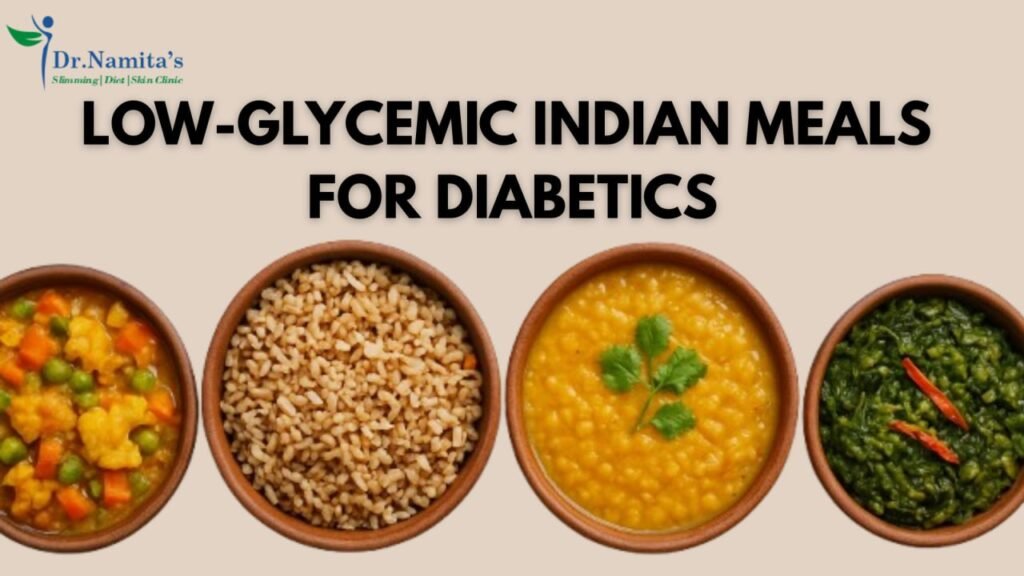
Living with diabetes doesn’t mean giving up Indian food. In fact, traditional Indian meals can be highly supportive of blood sugar control when planned the right way. The real challenge for most people is understanding which foods raise sugar levels quickly and which ones keep them stable. With proper guidance from experts like Dr Namita Nadar, considered the Best Dietician for Diabetes Management in Noida, many patients learn that managing diabetes is more about smart choices than strict restrictions.
What Does Low-Glycemic Really Mean?
The glycemic index, often called GI, measures how fast a food raises blood sugar levels. High-glycemic foods cause quick sugar spikes, followed by sudden drops that increase hunger and fatigue. Low-glycemic foods digest slowly, releasing glucose gradually into the bloodstream. This steady release helps maintain energy levels and supports long-term sugar control.
For diabetics, choosing low-glycemic meals reduces insulin stress, prevents sudden cravings and lowers the risk of complications. Indian diets already include many low-GI foods, but portion size, cooking methods and combinations make all the difference.
Why Indian Meals Can Work Well for Diabetes
Indian cuisine is rich in whole grains, lentils, vegetables and spices that naturally support glucose balance. The problem begins when refined flours, excess rice, sugar and fried foods take over the plate.
According to Dr Namita Nadar, small changes like switching grains, adding fibre and balancing meals with protein can dramatically improve sugar readings without making food boring or difficult to follow.
Best Low-Glycemic Indian Foods for Diabetics
1. Whole Grains and Millets
Brown rice, barley, oats, jowar, bajra and ragi digest more slowly than white rice and refined flour. They keep you full longer and prevent post-meal sugar spikes.
2. Lentils and Legumes
Moong dal, masoor dal, chana, rajma and lobia are excellent protein and fibre sources. They stabilise blood sugar and improve insulin sensitivity.
3. Vegetables
Non-starchy vegetables like spinach, bottle gourd, cauliflower, beans, carrot, cabbage and bitter gourd are naturally low-GI and nutrient-dense.
4. Healthy Fats
Mustard oil, olive oil, nuts, seeds and small amounts of ghee help slow digestion and reduce glucose spikes when used in moderation.
5. Spices with Benefits
Turmeric, cinnamon, fenugreek and cumin are known to support better blood sugar regulation when included regularly.
Low-Glycemic Indian Meal Ideas
Breakfast Options
Vegetable oats, moong dal cheela, ragi dosa with coconut chutney, vegetable poha made with millets, or eggs with sautéed vegetables.
Lunch Choices
Brown rice or millet roti with dal, vegetable sabzi and salad. Add curd in moderation if tolerated.
Evening Snacks
Roasted chana, sprouts chaat, nuts or buttermilk instead of biscuits or fried snacks.
Dinner Ideas
Light meals such as vegetable soups, khichdi with millets and dal, stir-fried vegetables with paneer or tofu.
Dessert Alternatives
Fresh fruit in controlled portions or homemade sugar-free options using natural ingredients.
Common Mistakes Diabetics Should Avoid
Many people assume that avoiding sugar alone is enough. In reality, excess white rice, potatoes, refined flour and large portions can raise blood glucose just as much. Skipping meals is another common mistake that leads to sugar fluctuations.
Experts like Dr Namita Nadar, Best Dietician for Diabetes Management in Noida, often stress the importance of regular meal timing, balanced portions and mindful cooking methods such as steaming, grilling or sautéing instead of deep frying.
Why Personalised Meal Planning Matters
No two diabetic patients respond the same way to food. Age, medication, activity level and digestion all affect blood sugar patterns. That’s why personalised nutrition plans work better than generic diets.
Patients who consult experienced professionals often notice improved sugar readings, better energy levels and easier weight control. With guidance, Indian meals can remain comforting, enjoyable and effective for diabetes management.
Final Thoughts
Managing diabetes doesn’t mean giving up your favourite Indian foods. It means choosing low-glycemic ingredients, balancing meals and understanding your body’s needs. With the right approach and expert support from specialists like Dr Namita Nadar, diabetics can enjoy satisfying meals while maintaining healthy blood sugar levels. A well-planned Indian diet can truly become your strongest tool for long-term diabetes control.