Dr Namita Nadar Diet Clinic Noida

Our Blogs

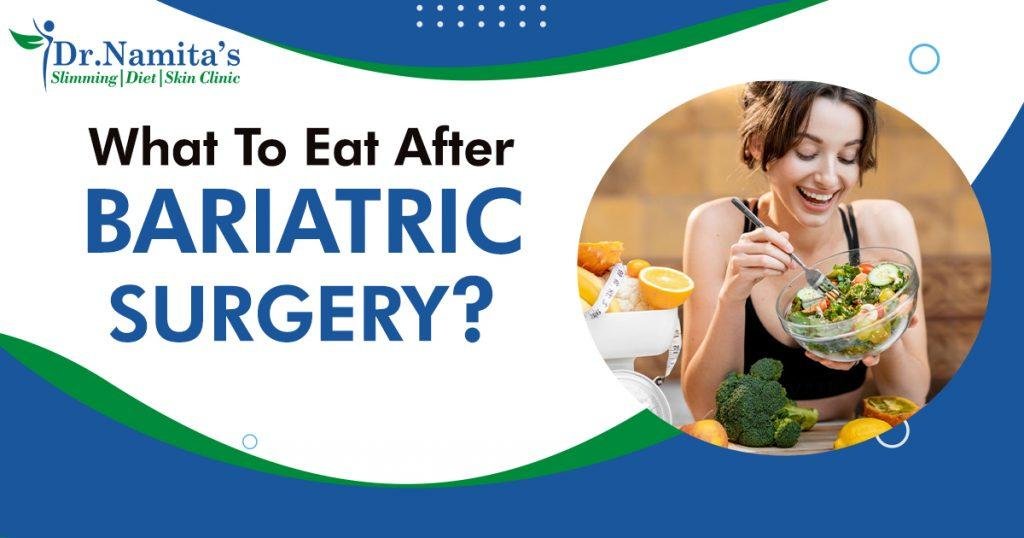
A gastric bypass diet helps individuals who are recovering from sleeve gastrectomy and from gastric bypass surgery also known as Roux-en-Y to heal and change their eating habits.

Your best diet coach or a registered top Dietician will talk with you about the diet you’ll need to follow after surgery, explaining what types of food and how much you can eat at each meal. If you’re considering bariatric surgery, you’re probably wondering what you can expect to eat after your procedure.

There are several diet phases after weight-loss surgery and different phases include foods of different textures. It would be prescribed by your Nutritionist to add new types of foods into your diet as your stomach heals.

  • Clear Liquid Diet

A liquid diet would be suggested 1 or 2 days after the surgery. This diet would be focused on protein to help you build and maintain muscles and also supplies your body with energy. This phase mainly includes shakes and all sorts of dairy products. Liquids such as broth, sugar-free Gelatin, and unsweetened juices.

  • Pure diet (also known as soft diet)

After the clear liquid diet, and the introduction of solid foods with pureed texture, think baby food lets you slowly rebuild your tolerance of solid foods. You’ll be prescribed a soft diet between weeks three and four after surgery.

During this phase, you’ll continue to prioritize protein, but you’ll be able to get the nutrient from foods including scrambled eggs, hummus, and salad with low-fat mayo.

Post one month, you’ll continue to consume protein at each meal. But you’ll be able to challenge yourself by slowly incorporating tougher food textures. These denser foods include soft fruits and vegetables as well as some grains.

  • Regular diet

About 2 months after your procedure, you’ll be able to begin your regular, post-surgery diet. An important aspect of this phase is to be mindful of your “new full”, as satiety might come earlier than you expect.

There are some foods and drinks that are likely to cause adverse reactions and should be avoided throughout the entire post-op period. Prioritizing protein at each of your three daily meals, and can also incorporate raw and fibrous fruits and vegetables is a must. Also, try limiting caffeine intake as it can irritate your stomach.

A new healthy diet

Gastric bypass surgery reduces the size of your stomach and changes the way food enters your intestine. After surgery, it’s important to get adequate nourishment while keeping your weight-loss goals on track. The medical expert is likely to prescribe.

  • Drink and eat slowly – to avert dumping syndrome, take at least 30 minutes to eat your meal and 1 hour to drink 1 cup of liquid. Wait half an hour after each meal to drink any beverage.
  • Keep portion size small – eat several meals a day. Preferably six meals a day, then move to four meals and finally reach three meals a day or a regular human diet with half a cup to one cup of food.
  • Consume liquid between meals – to avoid dehydration, have at least 8 cups of fluid each day. Have control of fluid intake, to leave enough room to consume nutrient rich-food.
  • Avoid foods that are high in sugar and fat – these food items travel quickly through your digestive system and can cause dumping syndrome, in which case you need to consult  Namita Nadar.

Wrap up

The gastric diet can help you recover from surgery and transition to a way of eating that is healthy and supports your weight-loss goals. Remember that if you return to unhealthy eating habits after-weight-loss surgery, you may not lose all of your excess weight, or you may regain any weight that you do lose.

SOURCE: https://drnamitadietclinicnoida.com/

The gut is not barely just where your food gets processed and digested, it acts like a secondary brain sending signals to other parts of the body and maintaining overall health. For a legitimate reason, as it is the bedrock of your physical and mental health, consult Dr. Namita Nadar for the same.

The gut/colon is usually known as your large intestine or large bowel. Part of your digestive system breaks down food and moves waste to your rectum.

How does body naturally and partially cleanses the gut?

Toxins can get into your body when you breathe, eat, drink, or through your skin. Toxins are also made in your body during metabolism.

These toxins are transformed and removed from the body when you-

  • Sweat
  • Urinate
  • Defecate
  • Breathe

Also, not all bacteria are good. Your gastrointestinal system needs beneficial bacteria for digestion. Also, not all toxins are not removed naturally, some do require remedies for removal.

Symptoms of an Unhealthy Gut

Here are a few signs and symptoms that all may not be well in your gut-

  • You face bloating, constipation, or gas – one of the obvious signs of an unhealthy gut is a poor digestive system. It tells us that the gut bacteria is out of balance and thus, the problem is manifesting itself through digestive issues.
  • Constant stress– stress is your gut health’s worst enemy. An unhealthy gut causes inflammation in the body and as a result, you feel stressed. On the other hand, when your body & mind are under stress it creates trouble for the gut.
  • Intense sugar craving – the very likely source of your sugar craving is an unhealthy gut. Conversely, excess sugar intake in the form of refined flour, processed foods, or packaged foods feeds the bad bacteria, that cause inflammation in the body.
  • Poop changes color & consistency – stool consistency is strongly associated with the gut microbiome – and if you notice something off, then you certainly need a gut to cleanse, with consultation from the best diet coach.

How to cleanse your gut by natural remedies?

You can cleanse your gut with the right foods associated with a gut cleanse diet and better eating habits.

  • Reduced salt intake – indulging in high salt diets can alter the gut microbiota and lead to hypertension or autoimmune disease. Excessive salt intake may lead to bloating and water retention in the body.
  • Keep the body well hydrated – water is one of the core necessities of the body. Any gut detox plan is incomplete without including plenty of water. If you can’t commit to gallons of water, then you can also look at liquid substitutes like coconut water, vegetable juice, and soups, or a simple gut detox drink like kefir or water infused with cucumber, ginger, lime, and mint.
  • Consume more alkaline foods – bring the balance on your back with alkaline foods. Which are known to work wonders in maintaining the pH balance in the body. Foods such as coriander seeds water, coconut water, and seeds in your gut cleanse diet plan.

Gut and overall health

Most importantly, a healthy gut fantastically assists and improves immunity. More often than not, the gut health goes for a toss, for many reasons – excess toxins in our environment, infection, poor diet, stress, overuse of antibiotics, skipping meals, improper sleep, diet sodas, constant stress, not chewing your meal properly, not getting enough water, too much caffeine, chronic illness – the list goes on.

When this happens, this microbiome in the gut sends signals that adversely influence our mood and body. Some of the common signs of poor gut health are upset stomach, fatigue, weight fluctuation, dull skin, and even anxiety. But this can be managed with a gut cleanse, with the right advice from a nutritionist.

Final verdict

Gut cleansing can be done with a healthy diet of following a gut cleanse diet plan for a while, coupled with fixed meal time, proper sleep, and exercise. Fresh fruits and vegetables that offer up lots of fiber and hydration are the best foods to help clean your bowel and keep things moving along.

SOURCE : https://drnamitadietclinicnoida.com/

Women have unique nutritional requirements that differ from their male counterparts. From required calorie intake to specific nutrients that support the body’s functioning. Healthy habits are the best way to avoid disease, prolong your life and live more happily. In most cases, women are more prone to vitamin and mineral deficiencies like iron, calcium, and Vitamin D.

Here is a look at some simple steps toward a longer and healthier life:

  • Consume a balanced diet

A nourishing and nutritious diet is the foundation pillar for a healthy lifestyle. Beyond weight loss and maintenance, eating a balanced diet is crucial to a woman’s overall health, Do consult a Top dietician in Noida for a personalized diet chart. Foods rich in vitamins, and minerals are important for growth, well-being, and development.

It all begins with avoiding unhealthy foods. Packed and processed foods are often full of sugar, salt, and unhealthy fats and calories. Do prefer:

  • Low-fat dairy.
  • Whole grains.
  • Fiber-rich beans and leafy greens.
  • Fresh fruits and vegetables.
  • Workout

Heart disease is the leading cause of death for women. Exercise is one of the best ways to prevent heart disease and keep your immune system strong, it is also beneficial for mental and bone health. A basic workout should include:

  • Swimming
  • Jogging/brisk walking.
  • Sports.
  • Hiking.

A mixture of exercise plans are very interesting and provide a ton of health benefit as well. Weight training is also recommended, not just for the sake of muscle building, but to challenge the body’s muscular, skeletal, nervous, and hormonal systems.

  • Healthy Aging

Aging is part of growing older and wiser. however, that doesn’t mean you have to take inevitable aches and pains lying down. Healthy aging also emphasizes things you shouldn’t do, such as using tobacco products and drinking excess alcohol.

Aging isn’t just how your body feels, it is more about how it looks. You can prevent little spots and dots that make our skin look older than we feel. The skin-related choices you make in your 20s, such as tanning beds and long days at the pool, will rear their ugly heads as you age. For protection against wrinkles, age spots, and acne, prefer sunscreen with an SPF of at least 30. Wear protective clothing and sunglasses and try to avoid the sun entirely in the middle of the day.

  • Learn handling stress

Career, kids, family, and friends. Most women are swimming in stress and responsibilities, which can manifest more than just gray hairs. Excessive stress can translate to:

  • Abdominal weight gain.
  • Sleeping difficulties.
  • Back pain.
  • High blood pressure.

Try managing stress with relaxation techniques:

  • Meditation.
  • Prayer.
  • Therapy.
  • Exercise.
  • Yoga.

Prioritizing healthy meal intake

Women tend to need fewer calories than men, averaging around 1600-2400 calories per day. This is due to the difference in metabolic rate, muscle mass, body fat, and build, as compared to men. This makes women pay more attention to what they eat, and consider a consultation from the best diet coach.

Nutrition is the cornerstone of health and naturally, women’s nutrition is the driving force that can help women maintain an active, healthy, and disease-free life by fulfilling a list of things for a women’s daily nutritional requirements.

  • Proteins, as we know are the building block of life and an integral component of women’s nutrition. They are an important source of energy, and as women get older and experience bone loss, they need to be careful with their protein intake, women need at least 45-60g of protein per day. Sources of protein are – paneer, a variety of dals, rajma, soyabean, etc.
  • Iron contributes to the normal functioning of red blood cells and the production of hemoglobin, the compound that carries oxygen to the blood, few key sources of iron are – ready-to-eat cereals, spinach, beans, etc.
  • Calcium is an important part of women’s nutrition. They usually lose bone density with age and calcium keeps bones strong. Good sources of calcium are broccoli, sesame seeds, fruit juices, and breakfast cereals fortified with calcium.
  • Vitamin D helps absorb calcium, so women must get an adequate amount of it. Sunlight is the best source of vitamin D, other good sources are eggs, milk, juice, and curd.

The bottom line

Adopting these eating and lifestyle habits does not rock solid sure, but a female may likely experience positive changes. For professional advice and diet plan consult Dr. Namita Nadar, she’s an expert in curating plans based on your goals and needs, whether it’s weight loss or catering to specific health conditions.

SOURCE : https://drnamitadietclinicnoida.com/

National Nutrition Week अगर आपको लगता है कि आपके बच्‍चे की खाने-पीने की ज़िद्दी आदतों की वजह से उसकी सेहत पर असर पड़ रहा है जिसकी वजह से उसकी बढ़त और विकास बाधित हो रहा है तो डॉक्‍टर से सलाह लें।

नई दिल्ली, रूही परवेज़। National Nutrition Week: अगर बच्‍चों की खुराक को लेकर आपके घर में हमेशा आफत रहती है, तो इस समस्‍या के शिकार आप अकेले नहीं हैं। ऐसे कई पेरेंट्स हैं, जो इस बात को लेकर हमेशा चिंतित रहते हैं कि उनके बच्‍चों ने क्‍या खाया और क्‍या नहीं खाया। इन सब बातों को ध्‍यान में रखकर आप खाने की मेज़ पर बच्‍चों के साथ उलझने से बचने के लिए नीचे बताई गई बातों का ध्‍यान रखें।

नोएडा के फोर्टिस अस्पताल में प्रमुख पोषण विशेषज्ञ, डॉ. नमिता नादर ने बताया कि अगर बच्चे खाने में आनाकानी करते हैं, तो इसे किस तरह टैकल करना चाहिए।

1. बच्चों की भूख को समझें

अगर आपके बच्चे को भूख नहीं है, तो ज़बरदस्ती न करें। खाने के प्रति उन्हें ललचाएं नहीं और न दबाव डालें। बच्‍चे को ठूंस-ठूंसकर खिलाने की ज़िद करने की बजाय सामान्‍य मात्रा में भोजन परोसें और उन्‍हें खुद ही और खाने का अनुरोध करने दें।

2. रूटीन बनाएं

मील्‍स और स्‍नैक्‍स खाने का एक समय तय करें। अगर बच्‍चा खाने से इंकार करता है, तो ऐसे में उसके स्‍नैक टाइम में सेहतमंद खान-पान का एक और अवसर दें। आप उसे दूध या ताज़ा जूस भी दे सकते हैं।

3. खाने के मामले में बच्चे को पैंपर न करें

अगर आपका बच्‍चा घर में पके हुए खाने को खाने से इंकार कर दे तो उसकी ज़िद और नखरे के आगे झुकने से खुद को रोकें। ऐसे में उसके लिए कुछ और पकाने की आदत उसे आगे चलकर खान-पान के मामले में और भी नखरे करने वाला बनाएगी। बच्‍चे को सभी तरह के खाने की आदत डालें।

4. ध्‍यान बंटने से रोकें

खाते समय टेलीविजन बंद कर दें और अन्‍य गैजेट्स का इस्‍तेमाल भी नहीं करने दें। इस तरह, आपके बच्‍चों को खान-पीन पर ध्‍यान देने में मदद मिलेगी। ध्‍यान रखें कि टेलीविजन पर दिखाए जाने वाले विज्ञापनों से आपके बच्‍चे की भूख प्रभावित हो सकती है और वह मीठे या कम पोषण वाले फूड्स की तरह अट्रैक्ट हो सकते हैं।

सेव द चिल्ड्रन में न्यूट्रीशन हेड, डॉ. अंतर्यामी दास ने बताया कि बच्चों की डाइट की बात जब आती है, तो किन बातों का ख्याल रखना चाहिए।

1. थाली में तरह-तरह की चीज़ों को शामिल करें

बच्‍चों की डाइट में वैराएटी ज़रूर लाएं, जिससे उन्हें हर तरह का पोषण मिले और उनकी ग्रोथ सही हो। इसका सबसे बढ़िया तरीका है खाना पकाने की “तिरंगा’’ विधि को अपनाना। सुनिश्चित करें कि हर बार के खाने में केसरिया, सफेद और हरा खाना हो। केसरिया रंग दाल या तेल से मिल सकता है, सफेद रंग दूध, चावल या अंडों से और हरा रंग पत्‍तेदार सब्जियों से।

2. साथ बैठकर खाएं

हर दिन परिवार को डाइनिंग टेबल पर इकट्ठा करें और फिर साथ बैठकर खाना खाएं। साथ ही खाते वक्त दोस्ताना माहौल रखें। बातचीत के ऐसे विषय चुनें जिनमें बच्चों को भी मज़ा आए। भोजन का समय सभी को आराम और सुख देने वाला होना चाहिये।

3. बच्चों को कंट्रोल्ड डाइट दें

ज़रूरत से ज़्यादा खाना किसी के लिए भी ठीक नहीं होता, फिर चाहे बच्चे ही क्यों न हों। बच्चों की फिज़िकल एक्टिविटी ज़्यादा होती है, इसलिए उन्हें भूख भी ज़्यादा लगती है। ऐसे में उन्हें जंक खिलाने से बेहतर है कि हेल्दी स्नैक्स के ऑप्शन्स दें।

4. खान-पीन को मज़ेदार बनाएं

डॉ. नादर का कहना है कि बच्‍चे को ब्रोकोलाी और अन्‍य सब्जियां उसकी मनपसंद डिप या सॉस के साथ परोसें। इसी तरह, कुकी कटर्स की मदद से फूड को अलग-अलग शेप्‍स में काटकर रोचक अंदाज़ में परोसें। दिनभर के भोजन में परोसे जाने वाले व्‍यंजनों को रंग-बिरंगा बनाएं।

SOURCE : https://m.jagran.com/lifestyle/health-national-nutrition-week-have-a-fussy-eater-kid-then-these-expert-tips-will-help-you-23049984.html

Constipation occurs when a person has difficulty emptying the large bowel. Home remedies and lifestyle changes can often help resolve it, but in most cases, it does require medical attention. It is usually directly related to the diet and lifestyle of an individual, which can be corrected by a consultation with the best dietician.

Each individual has a different bowel habit, but usually, people having less than three bowel movements a week are constipated:

  • Dissatisfaction with the bowel movements.
  • Stoles that look like stones.
  • Loss of appetite.
  • Dry, hard, and lumpy stool.

Poor diet frequently causes constipation. Dietary fiber and adequate water intake are necessary to keep stools soft. Fiber-rich foods are usually plant-based, comes in soluble and insoluble forms. Soluble fiber can dissolve in water and create a soft, gel-like material as it passes through the digestive system.

Symptoms

Each individual’s bowel habits are very different. Some individuals go three times a day, while others go three times a week. It is recommended to visit a nutritionist if the symptoms don’t go away or if such things are noticed:

  • Blood in stool.
  • Pain in the lower back.
  • Vomiting.
  • Unexpected weight loss.
  • Sudden change in bowel movements.
  • Bleeding from rectum.
  • Constant abdominal pain.

Healthcare experts may carry out the test to rule out a more comprehensive condition, such as colorectal cancer or irritable bowel syndrome(IBS).

Causes

The colon’s role is to absorb water from residual food as its passing through your digestive system. Poor diet frequently causes constipation, dietary fiber and adequate water intake are mandatory to keep the stool soft.

Stress, changes in routine, and conditions that slow muscle contractions of the colon or delay the urge to go may lead to constipation.

Common causes include:

  • Dehydration
  • Low exercise level.
  • Delay in the urge to have a bowel.
  • Travel or other changes in a routine.
  • Life stages like older individuals and pregnant women.
  • Overuse of laxatives.

Remedies

Fiber is that part of the plant which cannot be digested, and it serves in adding bulk and softness to the stools. There are mainly two types of fiber soluble and insoluble. Soluble fibers tend to absorb water and bind with fatty acids, to form a gel-like substance that keeps the stools soft.

On the other hand, insoluble fiber remains undissolved in water, hence providing bulk and moisture to the stool.

Consume plenty of fluids

Drinking a good amount of fluids will help your gut to process fiber. It is usually recommended to drink 8-10 glasses of water daily apart from the rest of the fluids that an individual might consume. Fluids aids in softening the stool making it easier to eliminate.

Workout regularly

Workout helps to relieve constipation by lowering the time taken by food to pass through the large intestine. This controls the amount of water absorbed from the stools hence easing the process of defecation. Exercising regularly tends to improve muscle strength which in turn improves the natural contraction of intestinal muscles and better mobility of stools passing through it.

Have fresh vegetables and fruits

They are usually loaded with fiber and can be quite helpful in relieving constipation. Some of the sensible choices during constipation can be raisins, prunes, pears, bananas, apples, spinach, and sweet potato. Always prefer whole fruits over juices, Engage with a nutritionist for more details on diet.

Takeaway

Constipation is a common problem that affects people as they get older, when they use certain medications, or if they don’t have much fiber in their diet. Most cases of constipation are mild and easily changes in diet and exercise. If you’re encountering chronic constipation along with other bowel changes, it is highly recommended that you engage with Dr. Namita Nadar, she’s a professional healthcare specialist in this field with years of experience on her shoulder handling such cases.

Kidneys are 2 bean-shaped organs, each about the size of a fist located at the bottom of your rib cage, on both sides of your spine. The primary function of the kidney is to filter waste products, excess water, and other impurities out of the blood.

Such toxins are stored in the bladder and then discarded during urination which can be in-depth explained by the best nutritionist. The kidney also regulates pH, salt, and potassium levels in the body. Another affair that a kidney undertakes is activating a form of Vitamin D that helps support calcium absorption.

Maintaining kidney health is important to your overall health and general well-being, by keeping the kidney robust.

Here are a few types of diseases the kidney is most prone to.

  • Kidney stones – these usually occur when minerals and other substances in the blood get crystallize in the kidney, forming solid masses, which usually come out of the blood during urination.
  • Urinary tract infection(UTI) – these are bacterial infections of any part of the urinary system, infections in the bladder and urethra are the most common. Such infection can further expand in the kidney and worst situation, it can cause kidney failure.
  • Polycystic Kidney disease– it is a genetic disorder that causes numerous cysts ( small sacs of fluid) to grow in the kidneys. These can interfere with kidney function.
  • Chronic kidney diseases – The main cause of it is high blood pressure, as they are constantly processing your body’s blood. High blood pressure is dangerous as it can lead to increased pressure in glomeruli, the functional unit of your kidney. Eventually, kidney function will deteriorate to the point where they can no longer properly perform their job, and dialysis will be the last resort.

Some crucial tips to keep your kidney healthy

  • Monitor blood pressure

High blood pressure can cause kidney damage if high blood pressure occurs with other health issues like diabetes, heart disease, or cholesterol. If the body pressure reading is constantly above 140/90, you may have high blood pressure, then it is recommended to consult the dietician for weight loss.

  • Maintain a fit and healthy routine

Regular exercise is good for more than just your waistline. it can lower the risk of chronic kidney disease. it can also reduce your blood pressure and boost your heart health, which is both important to prevent kidney damage. Walking, running, cycling, and even dancing are great for your health.

  • Try controlling your blood sugar level

Diabetic people with such a condition may encounter high blood  sugar and develop kidney damage when your body’s cells can’t use the glucose in your blood, the kidney are forced to work extra hard to filter the blood, and for a long duration, this can lead to life-threatening damage.

  • Consume plenty of fluids

It’s a good move to encourage staying hydrated, as consistent water intake is healthy for your kidneys. Water clears sodium and toxins from the kidney and helps lower the risk of chronic kidney disease. Individuals who have previously had kidney stones should drink a bit more water to help prevent stone deposits in the future.

  • Avoid smoking

Smoking damages the body’s blood vessels. This leads to slower blood flow throughout your body and your kidney. Smoking also puts the kidneys at an increased risk for cancer.

Closure

If you’re suffering from diabetes, high blood pressure, or heart disease, the best resort to protect your kidneys from damage is to take all prescribed medicines and control measures. If any symptoms of kidney disease are suspected consult, Dr. Namita Nadar, for more help.

SOURCE : https://drnamitadietclinicnoida.com/

t has been 25 years since the Dietary Approaches to Stop Hypertension (DASH) diet was designed but it’s still relevant and effective for those looking to get their high blood pressure or hypertension under control, in addition to other benefits.  

Hypertension is one of the most important risk factors for cardiovascular disease, kidney ailments and eye damage. According to studies, four out of ten adults over 45 years of age in India are not aware of their hypertensive condition. Of those who are aware, 73% are currently taking medication, and only 10% of these have their hypertension under control. 

A person is hypertensive if the systolic BP is 140 or more and diastolic BP is 90 or more. 

It is well known that if corrective measures are not taken to control high BP, it can be dangerous. Apart from medication, hypertension can be managed by diet and lifestyle changes. So, if you have been diagnosed with elevated blood pressure, DASH diet is just for you.  

What is DASH diet 

“DASH is nothing but a healthy eating plan to either treat hypertension or to prevent it.  Since, it is a healthy meal plan, it can benefit those who follow it diligently,” says Sheela Krishnaswamy, nutrition and wellness consultant and former president of the Indian Dietetic Association.  

DASH diet recommendations are about limiting saturated and trans-fat, while increasing the consumption of foods rich in potassium, magnesium, calcium, protein, and fibre. These are found in fruits, vegetables, low fat -dairy, whole grains, fish, lean meat, poultry, beans, seeds and nuts. 

It is about having a balanced diet in a holistic manner, which is prescribed to those having high blood pressure says Anita Jatana, Chief Dietician at Indraprastha Apollo Hospital. Men are more prone to hypertension than women, however, post-menopausal women are also equally pre-disposed to hypertension, she says.  

High BP can be managed with modifiable changes in our lifestyle. Diet and exercise are modifiable changes that will help treat hypertension, Jatana says.  

Pros and Cons of DASH diet 

DASH diet is easy to follow as it doesn’t prescribe major deviations from existing dietary patterns or high reduction in calories. It contains all the ingredients for a healthy life and it can be followed by all, including children. 

“I have been prescribing DASH diet to treat high blood pressure,” says Dr Namita Nadar, a nutritionist in Noida. “We prescribe all the components of DASH to hypertensive people but we don’t call it DASH,” she says. According to her, most of the people who need DASH diet are above 40 and it has really helped in bringing down the blood pressure. 

However, the benefits from following the DASH diet are not restricted to just lowering the blood pressure but there are plenty of other advantages. 

This healthy meal plan could also help to control blood glucose and blood lipid levels, Krishnaswamy says.  

Weight loss is another by-product of following this nutrient-rich diet. While following DASH diet there is very low or no intake of sugar-sweetened beverages, sweets and unhealthy fats, all of which helps to reduce weight.  

Besides, the healthy dietary intake in DASH helps in preventing stroke, osteoporosis, diabetes, kidney diseases, gout, cancer and kidney disease.  

The cons of the DASH diet are not so serious that they can’t be taken care of. “These (DASH) are only guidelines and one meal-plan may not suit every individual,” says Krishnaswamy.   

Experts say that everyone would have a different meal-plan based on their health status and requirement.  

Some people may experience bloating and gas issues initially when they go on a DASH diet because of the high fibre content of fruits, vegetables, and whole grains. However, this is taken care of by making changes in the helpings, portions and frequency of high fibre foods in their diet plan. 

Some people may find adherence to this diet tedious but then that is true for any diet. 

DASH diet daily servings 

For someone looking to adopt the DASH diet, nutritionists and dieticians recommend the following foods that are rich in in potassium, magnesium, calcium, protein, fibre and omega-3 acids. 

Whole grains: 7-8 servings daily. One can have wheat, rice and millets in bread, pasta, cereals and oatmeal. 

Vegetables: 4-5 servings daily, which include leafy vegetables like spinach, beetroot, tomatoes, carrots, bell peppers etc.  

Fruit: 4-5 servings daily. All seasonal fruits can be included. 

Low-fat /fat-free dairy products: 2 -3 servings per day, which will include curd, milk, cheese, yogurt etc. 

Meat, poultry and fish: 2 or less servings daily. Chicken, fish and lean meats will be good. 

Nuts, seeds and legumes: 4-5 servings per week. Have almonds, cashews, walnuts, flax seeds, sunflower seeds and lentils. 

Fat and oil: 2-3 servings per days. Choose monounsaturated food items like olive oil, peanut oil, canola oil and keep rotating the oils. 

Sweets: Less than 5 servings per week. For those who have sugar cravings, DASH diet permits sweets but limit yourself to less than five helpings in a week. 

Foods to avoid 

It is recommended to stay away from food items and snacks having trans-fat and saturated food like samosas, processed foods, cakes, cookies etc. Also avoid high-sugar products like candies, ice-creams, colas, and food with high salt content like chips, sauces, pickles etc. Red meat is also a no-no under DASH diet plan. 

Salt intake and DASH diet 

Studies have shown that reducing salt intake and following the DASH diet is more beneficial for lowering blood pressure than following the DASH diet alone or reducing the salt alone. The benefits of a reduced sodium and DASH diet were observed in those with and without hypertension, women and men, regardless of race or ethnicity. 

“Our salt intake is very high, which contributes to high blood pressure,” says Dr Nadar. “People are using table salt on fruits without understanding the harmful consequences,” she adds.  

Salt intake should be reduced to 1 teaspoon per person per day to bring down the BP. One should not sprinkle salt on curd etc and be wary of hidden salt sources found in sauces, pickles, says Jatana. 

Always read the nutrition label of packaged foods to find out the sodium content in each suggested serving. 

Adopting a DASH diet with low salt intake and coupling it with exercise could be the key to beating high blood pressure and leading a healthy life. 

SOURCE : https://www.happiesthealth.com/articles/food-and-nutrition/dash-diet-help-lead-healthy-life

 All about grains: Here’s what you need to know

Cereal grains, such as corn, rice, and wheat are some of the most commonly consumed foods in the world. Mankind has been consuming grains for thousands of years, from maize origins in Mexico to rich which has originated in Asia ad wheat which has its roots in the middle east. Despite widespread consumption, a lot of individuals remain unaware of whether grains do support health which is usually specified by the best nutritionist.

The truth must be spoken, that is whole grains in particular are linked to numerous health benefits and are mostly considered very nutritious.  Yet, some individuals claim that refined grains are too high in carbohydrates, curb and weight intentional weight loss and fasten the blood pressure.

Refined grains vs whole: what is the difference?

A whole grain consists of three main parts.

  • Endosperm – it is the biggest part of the grain, it contains mostly carbs (in a pattern of starch).
  • Germ – this Nutrient rich core contains carbs, fats, proteins, vitamins, minerals, antioxidants, and various phytonutrients. Germ gives rise to a new plant as it is the embryo.
  • Bran – The hard outer layer of the grain contains fiber, minerals, and antioxidants.

The historic processing of grain

Usually, the seeds fall into three main categories;

  • Enriched.
  • Refined.
  • Whole.

Whole grains are made up of the entire grain including the brain, which contains fiber, vitamin B, and some proteins. The endosperm, the biggest part of the grain composed mostly of starch. Brown rice, whole wheat, oats, and quinoa are all examples of whole grains. They can help you keep your gut healthy, and blood sugar level stable, and aid in weight loss which might require a consultation from a dietician.

Modern milling techniques discovered in the 1800s allowed refined grains to emerge. The process mainly removes the germ and bran which improves the texture, palatability, and shelf life, of grains products. the downside of the refining process was that the fiber and nutrients, like vitamin B and iron, did get lost in the process. This process “advancement” actually led to frequent nutrition deficiencies and diseases such as beriberi and pellagra since those nutrients were no longer within the grains individuals were consuming.

Research on whole grains and health

Numerous case studies and research papers are linked whole grain consumption with potential benefits:

  • Weight – eating a decent amount of grains is linked with controlled body weight. The reason is, that fiber present in the whole grains may help recede hunger and increase safety, all leading to a decreased calorie intake, which is also suggested by a weight management dietician.
  • Heart complications – whole grains may protect the heart, whole grain intake is associated with a drastic reduction in heart-related diseases and reduced stroke risk.
  • Longevity – studies have observed that with each serving of whole grains consumed, there was a 9% lower risk of death from heart diseases over the course of the study.
  • Colorectal cancer – in a survey a group that consumed whole grains showed a 16% lower incidence of colorectal cancer compared to the group with the lowest intake.

Summary

Grains have been on our plates and meals for a very long time, as they provide us with eh energy and nutrients we need to get through each day. They are also linked with health benefits such as – adequate intake may protect against heart disease and colorectal cancer. These benefits are there because of fiber and phenolic acid present in the whole grains.

Chia seeds may be tiny in size. However, they are a superfood that is packed with a lot of punch. People have always loved the crunchiness of chia seeds in various dishes, especially chocolate Chia pudding with a mixture of dates, almond milk, and fruits for an enhanced flavor and healthier addition to the meal as well.

Chia seed comes from the desert plant salvia hispanica. The plant is native to Mexico and has remarkable properties and is used as an energy booster.

Nutritional Value

Chia seeds have a lot to offer. It is observed that one ounce serving of these seeds accounts for-

  • Protein -5.6g
  • Carbohydrates – 13g.
  • Calcium – 18% of your daily requirement.
  • Calories – 131.
  • Total fat – 8.4g.
  • Phosphorus – 27% of your daily need.
  • These seeds are also rich in Vitamin B2, Omega-3 fatty acids, and fiber.

Chia pudding

It is one of the easiest breakfast and quick meal options. Chia seed pudding is made by soaking seeds in fluid like milk for a minimum of 2 hours or best possibly overnight. It makes the seed absorb the liquid and become gelatinous. Once they have swelled up for 2 hours or more, it is healthy to add fruits and nuts to it with advice from Dr. Namita Nadar.

Health benefits

People underestimate its offering by the size of chia seeds. They may even ignore using them. While some may not know how to incorporate these seeds into a pudding. It is widely observed that adding these seeds to your pudding or the main course helps you reap various health benefits. Including-

  • Improves heart health

Chia pudding might help you improve your heart health as the seeds used comprise antioxidants. One such antioxidant present in chia seed is quercetin which plays a key role in protecting your body from free radicals. These free radicals are mainly unstable molecules that increase the risk of cardiovascular disease, cancer, and tumor growth.

Chia seeds are extremely rich in fiber which helps in lowering blood pressure as well as cholesterol levels, both of them are the most common risk factors for cardiovascular levels. With such reduced heart disease, chia seed/pudding is a life saver for individuals suffering from heart-related complications.

  • Improved digestion and Detoxification

Chia seeds contain a decent amount of insoluble fiber that tends to remain intact when passing through the digestive system. This key character to stay intact makes it crucial for averting constipation. It also supports the regularity of a healthy supportive tract, while also supporting regular bowel movements that aid in the excretion of toxins through stool and bile.

  • Supports weight loss

While supporting digestive health, fiber may help people feel satiated for longer. This can make high-fiber foods crucial for those trying to reach a balanced weight. A regular meal including chia seeds specifically chia seeds greatly supports weight management with its nutritional value also an add-on.

  • Reduces spike in blood pressure

Various studies have observed proof that chia seeds slow down the quick release of glucose by the body, thus reducing the spike in blood sugar that comes after consuming carbohydrates. This can be very beneficial for individuals with type-2 diabetes.

Closure

It is recommended for the elderly, asthmatics, heart complications and individuals facing blood-related complexity as fiber present in it, helps throughout digestion system as well as respiratory system clean up, while the content of antioxidants in chia seeds helps improve and support heart health. People suffering from bone-related issue are also recommended chia pudding as it is rich in magnesium and phosphorus( one ounce of the seeds contain 18% of your recommended daily allowance of calcium). Omega-3 fatty acids in chia seeds act as an active barrier against sun damage caused to the skin by daily outdoor exposure while also hydrating oily skin. They are also rich in Tryptophan (amino acid) which helps in lowering stress levels.

Athletes regularly engage in strenuous exercise programs should be aware of the daily nutritional requirement. As an athlete, physical health is key to an active lifestyle. The individual depends on strength, skill, and endurance, In addition to allowing for optimal growth and development, engagement with the best nutrition is highly recommended.

Macronutrients, micronutrients, and fluids in the proper amounts are essential to provide energy for growth and activity. Maintaining a healthy diet that provides adequate energy and nutrients is vital to support intense training and optimize immune system functions.

Basic Energy requirements

Nutrition is important for growth, achieving good health, and providing energy. Sports nutrition enhances athletic performance by decreasing fatigue and the risk of disease and injury, it also enables athletes to optimize training and recover rapidly. Athletes who participate in weight class sports such as boxing, kickboxing, and mixed martial art are at risk for the adverse effect of poor energy consumption, such energy restrictions may cause loss of muscle density and may affect the performance of the athlete.

Balanced energy intake with energy expenditure is crucial to prevent an energy deficit. It can cause short stature, delayed puberty, menstrual dysfunction, and loss of muscle mass. Energy excess can result in obesity and overweight. Over time, low-calorie intake may result in a slower resting metabolic rate and inadequate consumption of essential vitamins and minerals.

Meal planning

One of the intricate things is to manage meal planning revolving around athletic events. The timing of every meal is very crucial for any sports individual. Athletes need to analyze foods they like that help maximize their performance. As a universal guideline eat meals a minimum of 3h before an event to allow for proper digestion and minimize the incidence of gastrointestinal upset during exercise. Meals consumed should include protein, carbohydrates, and fiber. A high-fat meal should be avoided.

Protein requirement

Protein is the building block of muscle tissue. Endurance athletes are advised to ingest between 1.2-1.4 grams of protein per kg, which is 10 to 30% of the total energy intake for an ideal 18-year-old. Ultra-endurance athletes are encouraged to consume protein in the range of 1.2-1.7g/kg. Good sources of protein include lean meat, fish, eggs, dairy products, beans, and nuts, including peanuts which are highly recommended by a diet coach.

Carbohydrates

It is the most essential fuel source for the athlete as they provide the glucose used for energy. They also maintain blood sugar levels to fuel exercise and workouts. Carbohydrates replenish glycogen which is the storage form of carbohydrates within muscles. The advised daily carbohydrate intake for athletes ranges from 6-10g/kg body weight.

Fats

Adequate fat intake is necessary for numerous metabolic activities that promote optimal health. They are also very necessary to absorb fat-soluble vitamins (A, D, E, K), to provide essential acids, protect vital organs and provide insulation. Fat intake for an athlete should be 20-35% of total daily calories since it is a calorie-dense source of energy (one gram provides nine kilo calories) but is more difficult to use. Good sources of fat include lean meat and poultry fish, nuts, seeds, dairy products, and olives.

Micronutrients and vitamins

Micronutrients work in a variety of roles that optimize health. They are mainly engaged in energy production, blood synthesis, and maintenance of bone health, and immune function. Ideally, athletes consume proper amounts of calcium, vitamin D, and iron. Calcium is very crucial for bone health, normal enzyme activity, and muscle contraction.

Recovery meal

It is mostly consumed within 30 min of exercise, and again within 2 hrs of exercise, to help reload muscles with glycogen and allow for proper recovery. These foods usually account for protein and carbohydrates. For a person-specific diet plan engage with Dr. Namita Nadar.

Weight-loss programs and outright scams promise quick and easy weight loss. A core foundation of successful weight loss remains a healthy, diet and calorie-controlled combination with increased physical activity.

Many eating plans designed to help you lose weight leave you feeling hungry, or they cut major food groups and are not sustainable. For a realistic diet plan consult the best dietician for weight loss.

Here are a few general tips to help you lose weight that include consuming healthy eating, choosing carbs all aiming to-

  • Helps improve your metabolic health at the same time.
  • Consistent weight reduction throughout the course.
  • Being satisfied while reducing your appetite and hunger levels.

Engage with a doctor if you need help addressing stressors or emotions that seem like an obstacle to your preparation for weight loss. Have a word with Dr. Namita Nadar about diet-related health complications.

It is all initiated with-

Setting realistic goals

Depending on your weight, 5% of your current weight may be a realistic goal, at least for an initial goal, If you weigh 180 pounds(82kg), that’s 9 pounds(4 kg). Even this level of weight loss can help you lower your risk of chronic health problems, such as heart disease and type 2 diabetes.

When setting goals, think about both procedure and the result of such goals. Engage in “brisk walking” for at least 30 minutes is an example of a process goal, and “lose 10 pounds” is an example of a result.

Try sticking to healthy food

Embrace a new eating style that promotes weight loss including lowering your total calorie intake. However, decreasing calories does not mean giving up taste.

One simple way to lower calorie intake is by eating more plant-based food-whole grains, vegetables, and fruits. Always strive for variety to help you achieve your goals without giving up your signature taste for every meal. For a healthy meal-focused diet plan Engage with a Nutritionist.

Healthy eating tips-

  • Prefer low-fat dairy products and lean meat.
  • Avoid refined grains instead choose healthy grains.
  • Escape from sugar as much as possible, except for natural sugar.

Engage in physical activities

All the physical activities offer numerous health benefits, including boosting mood, reducing blood pressure, and strengthening the cardiovascular system. Any extra movement or activity burns calories. The best method to lose body fat is through steady aerobic exercise such as brisk walking, jogging, etc.

Try strength training three to four times a week it will help prevent your metabolism from slowing down, which is a common side effect of losing weight.

Consume vegetables proteins and fat

Make sure to include a variety of foods at every meal. To balance your plate and help you lose weight your meal should always have-

  • Considerate portion of complex carbohydrates.
  • Descent amount of vegetables.
  • Fat sources for required energy.

Avoid refined carbs

To lose weight quickly is to cut back on sugars and starches or carbohydrates.

This could be with a low-carb eating-focused diet plan or simply by reducing carbs, you’ll utilize burning stored fat for energy instead of carbs. It might be difficult to adhere to a low-carb diet, which may lead to a yo-yo dieting and less success in maintaining a healthy weight.

Reducing refined carbohydrates may help curb your appetite, lower your insulin levels, and help you lose weight. However, the long-term effects of a low-carb diet are still unknown. A reduction in calorie intake could be more sustainable.

Few daily diet tips to follow as well-

  • Stay hydrated.
  • Eat more fiber.
  • Whole foods-focused diet.
  • Quality sleep is mandatory.
  • Limit sugar drinks and fruit juices.

By reducing carbs or replacing refined carbs with complex carbs, some might experience reduced hunger levels. By incorporating a low carb/low-calorie eating plan, you can consume healthy food until you’re full and still lose weight. Engaging in a diet chart for weight loss is mandatory for real-life results.

Nutrition is the biochemical and physiological process by which an organism uses food to support its life. It includes ingestion, absorption, assimilation, biosynthesis, catabolism, and excretion. Our dietary requirements oscillate as we move through different life stages, from infant to elderly.
It’s important to consider additional demands set on your body by these changes to stay active and healthy. For a reliable diet plan connect with Dr. Namit Nadar.

Expectant mothers have different dietary needs than women of the same age group. Few key points to remember-

• Eat sufficient protein food for cell repair and maintenance.
• Food groups are vital and rich in minerals such as iron, zinc, and calcium.
• Add essential monosaturated fats like omega 3, 6, and 9 to your daily diet.
• Prefer home cooked balanced diet as it is the best nutrition source.

For humans, nutrition deals with the provision of essential and most important nutrients from the food that is necessary to support human life and good health. Poor nutrition can cause deficiency-related diseases such as blindness, anemia, preterm birth, anemia, cretinism, nutrient excess health-threatening conditions such as obesity and metabolic syndrome, and common chronic diseases such as cardiovascular disease. Undernutrition can lead to wasting in acute cases, and stunting of marasmus in chronic cases of nutrition.

Nutrition for child

The best foods are whole, fresh, and unprocessed fresh fruits and vegetables, whole grains, dairy and meats, and homely fresh cooked meals. Offer foods that don’t have added sugar or sugar substitutes, and don’t add calories that might lead to tooth decay. They might lead to a habit of only liking sweet foods and make it difficult for your child to adjust to fruits and vegetables it’s a good idea to limit them.
Preferring to provide actual fruits instead of fruit juices add healthy fiber to your child’s diet, try to offer water when your child is thirsty, especially between meals and snacks. For an amazing diet plan consult the best nutritionist.

One of the very important minerals is sodium which maintains proper fluids in your body. But eating too much sodium can lead to high blood pressure, offer your child healthy foods that are low in sodium as often as possible, too much sodium in childhood can lead to a preference for salty food, which is associated with obesity.

Parents guide-

• Stick to a balanced variety of foods from all food groups.
• Help children learn to use a spoon or cups so they can eat independently.
• Make your child learn to read labels to help you choose foods when shopping.
• Avoid fast-food restaurants and show your children the importance of enjoying mealtime as a family while eating healthy home meals.

Nutrition for teens

Children when one enters puberty, the demands for nutrients, iron, and minerals surge. This age group requires nutrient-dense meals, including cereals, fruits, nuts, vegetables, and lean meats.

How much teens should eat depends on their individual needs.
• Protein –every teen should surely have protein-rich food every day. The good source includes lean meat, poultry, and fish.

• Whole grains – every teen should get 6 ounces of grains every day, which includes slices of whole-grain bread, whole grain pasta or brown rice, and 1 cup of wholegrain breakfast cereal.

• Iron-rich food- boys in this age group need iron to support their growth. Girls need iron for growth too, and to replace the blood they lose through menstruation. Good sources are- lean beef, iron-fortified cereals, slices of bread, dried beans, and peas.

Nutrition for adults

The adult diet should be nutrient-dense, as this is the age when a person’s physique begins to deteriorate, and they are unable to conduct daily activities as they once were able to. For more details on it consult the best diet coach.
They also have digestive concerns that may affect their eating habits-
• They must avoid high-energy but low in nutrition food items like cakes, sweets, biscuits, and soft drinks.
• They must include fiber-rich food on their plate that promote gut health.
• Table salt should be used sparingly, especially when cooking for seniors.

Your health should be a main priority throughout your life, including in your 30’s.For some people, losing excess body weight can improve several aspects of their physical health, including their blood sugar and blood pressure levels, inflammatory markers and mobility .

Here are some useful tips-

 1. Sustainability over speed – countless diet and detox initiatives promote rapid weight loss. However, these diets are not good for sustainable weight loss since they can drastically reduce your calorie intake resulting in loss of power to the body.

2. Top priority should be health and happiness- never  follow a diet or exercise that makes you feel bad about yourself. A sustainable dietary plan should make you feel nourished.

3. Stay hydrated – It is an important aspect when it comes to weight maintenance. Fluid needs are dependent on many factors, one of them is activity level.

4. Cut back on added sugar – reducing added sugar is a net positive change you can make to promote weight loss. Use all forms of sweeteners less often.

5.prioritize sleep – at least 7 hour of sleep is mandatory for women in this age bracket. Sleep deprivation can lead to weight gain as it encourages hunger hormone which makes weight loss efforts a much tougher task.

 6. Weight loss is a marathon not sprint – Weight loss is a complicated process, it involves compensatory changes in the body that slow weight loss over time and encourage weight regain. Keep in mind that you may actually need to increase your calorie intake when you hit a plateau, especially if you’ve been following a diet that doesn’t supply your body with an adequate amount of energy. Although this sounds counterintuitive, slowly increasing your calorie intake may help counteract some of the compensatory metabolic changes that occur during weight loss.

Diabetes is a world renowned health issue and a major metabolic disorder.  It mainly occurs due to elevated blood sugar level. According to a report by Lancet, Type-2 diabetes is expected to rise by a whopping 1/5th from 406 million back in 2018 to 511 million by 2030, still the graph shows no signs of Dip. However, Type-2 diabetes can be prevented or cured by shifting to healthy diet and eventually leading a healthy lifestyle.      

How food affects Blood Sugar 

Food that we consume has  direct effect on blood glucose. One very important aspect of managing diabetes is having a diet plan and a strict watch on diet intake. The imbalance in diet and slow metabolism is very prone to surge in sugar level, Thus leading to diabetes. The main nutrients that are found in food are – carbohydrates, proteins and fats.

Fats:

fats are an important part of the diet as the fat burns in our body it produces energy, especially healthy fats from fatty fish, nuts etc. They do not raise blood glucose but are in excess calories and will cause weight gain.

Proteins:

Proteins are a very crucial part of a healthy and a balanced diet. They  do not raise glucose like carbs. However, to prevent weight gain, portion control shall be used. People suffering with, Type-2 Diabetes, protein will push the insulin to work faster.

Carbohydrates:

They raise the blood glucose faster and higher than other nutrients in food protein and fat. Carbs are mainly starches, fiber in food as grains, fruits , milk based dairy products. Choosing carbs from healthy sources like whole grain are preferred over other sources with added sugar.

A logical healthy diet

A diabetic diet plan doesn’t need to be complicated or sophisticated, you do not have to give up all your favourite foods. Here are some tips-

Do’s-
  1.  Whole  grain and millets.
  2.  High fiber cereals and loaf made from whole grain.
  3.  High quality protein such eggs, Beans, unsweetened yogurt.
Don’t-
  1.  Processed meat and red meat.            
  2.  Food made from refined flour/bread ex – pasta, noodles.                                                      
  3.  Low-fat products mainly used as a replacement for added sugar, such as fat free sugar.  

Key factors which have direct relation with diabetes

Sweets – reduce soft drinks, soda. Don’t   replace saturated fat with sugar.  Avoid processed or packaged foods.Find healthy ways to satisfy your sweet tooth.

Alcohol – Don’t underestimate the calories and carbs in alcoholic drink specifically beer and wine. Liquid calories spike your blood sugar level immensely.(Extremely hard to burn for a obese person)   

Fats– Most dangerous fats are artificial trans fat, avoid commercially baked goods. Some saturated fats which should not be eliminated but consumed or enjoyed in moderation. On the other hand healthy fats such as unsaturated fats ,most of which comes from fish and plant sources and Omega-3 fatty acids fight inflammation and support brain and heart health.

Eat regularly and monitor your diet

It’s very constructive to know that you will only have to lose 7% of your body weight to cut your risk of diabetes in half. Two of the most effective strategies involve adapting a regular eating schedule and recording what you eat. Type 2 Diabetes could be cured and prevented by eating a healthy diet and leading a healthy lifestyle.

Recommended  Diet

Fruits Apple , blueberries ,Orange , Grapefruit , Grapes , Peaches , pear , Plump , Cherry

Best of whole grain whole wheat flour ,whole oatmeal , brown rice , sorghum , millets , whole grain barley , whole grain rice.

Non-starchy vegetables onion, spinach, tomatoes, broccoli ,eggplant ,cabbage , carrot , green beans , asparagus.


Are you worried about your weight gain? And searching a effective way to loss your weight? Then don’t worry you are at the right place, by consulting with best dietician in Noida, you can get right guidance for weight loss. Today in this blog post, we are covering about all the vitamins and minerals that will be quite effective in your weight loss especially in females.

Vitamins & Minerals for weight loss in females

Vitamin B

Vitamin B comes in variety of form with different functions but overall this vitamin is quite helpful in regulating metabolism and boosting weight loss. So if you have low metabolism problem, then you should consume Vitamin B in your diet or you can consult Best dietician for weight loss in Noida. Bananas, Meat, Eggs, Lentils, Milk, Beans are some of the best source of Vitamin B.

Vitamin D

This is among the very effective in weight loss. It is reported that obese peoples have very minute concentration of vitamin D. This vitamin also very effective in building strong immunity. If we talk about the natural ways, then sun rays are the best source of vitamin D. Apart from this, Egg yolk, Cod liver oil, Salmon are also the great source of vitamin D.

Magnesium

This is also one of the best mineral which involves in regulating all the biochemical reactions held in our body. Legumes, Nuts, Green leafy vegetables like spinach are the best source of magnesium. So if you are suffering from low metabolism, then this mineral will be quite helpful for you.

Iron

Iron is the most crucial mineral regulating blood cells formation in the body. Apart from this, it also provide energy to the all the body parts. So, if you are suffering from extremely tiredness problems, then you should consume iron in your diet. Meat, Green leafy vegetables are the best source of Iron.

Wrapping up

In above blog post, you will find the list of some useful vitamins and minerals which proved to be reducing weight loss in obese people. So what are waiting for? Consult today with our Best diet coach in Noida and make your regular diet plan.

What are the symptoms and causes of PCOS?

These days due to more work, we ignore our precious health and due to this we get trapped in bad kind of unhealthy habits, which further leads to dangerous conditions like PCOS disease.

PCOS is a Polycystic syndrome or polycystic ovary disease. This is the very dangerous condition which mostly reported in women due to hormonal imbalance. There are some reason for that condition like extreme weight gain, Insulin imbalance, Lack of ovulation, Hypothyroidism, Genes imbalance.

Below we discuss the exact cause which is responsible for causing this dangerous disease. For this you need to consult the best nutritionist in Noida.

Laziness – Lack of proper habits like exercise, drinking water sometimes lead to dangerous disease like PCOS. Laziness are the real cause for this condition.

Fast food – Yes these days almost everyone eating fast food to save their time and get trapped in this bad condition. So if you are still eating fast food then you need to get alert about your health.

Conclusion

All the above conditions and cause we talked, are very hard to ignore especially if you are working person. So to regain your health, you can consult best weight loss clinic in Noida.